
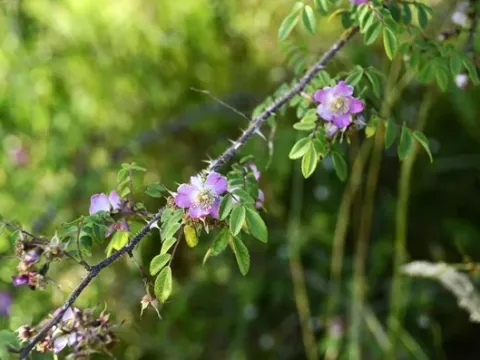
Rosa prattii
Rosa prattii
Rosa prattii, known as Pratt's rose, is a deciduous shrub belonging to the Rosaceae family. Native to the mountainous regions of Western China, this species is highly valued by botanists and gardeners for its elegance and cold-hardiness.
What the section contains
Rosa prattii
This shrub thrives in full sun, which is essential for healthy foliage development and prolific flowering. It is well-adapted to cooler climates, showing remarkable resilience in varied temperate environments.
The plant prefers well-draining, fertile soils that are slightly acidic to neutral. Proper drainage is critical to prevent root rot, as the species does not tolerate waterlogged conditions during the winter months.
Botanically, Rosa prattii forms an upright, graceful bush with fine, pinnate leaves. The foliage provides a lush appearance, while the delicate pink flowers offer a subtle, charming display throughout the blooming season.
A distinctive feature of this species is its abundant production of bright red hips in autumn. These fruits persist long after the petals have fallen, providing significant ornamental interest and a food source for local wildlife.
Like many species in the genus Rosa, this plant can be susceptible to fungal issues, particularly powdery mildew and black spot, especially in areas with stagnant air or high humidity.
Common insect pests include aphids and leafrollers, which may feed on young, succulent growth during the peak of spring. Monitoring the plant regularly is the best strategy for control.
Cultural control, such as removing debris from beneath the shrub and ensuring adequate spacing between plants, significantly reduces the likelihood of fungal pathogen outbreaks.
When chemical intervention is required, it is best to use targeted insecticides that minimize harm to beneficial garden insects such as pollinators and predatory mites.
Consistent care, including balanced fertilization and proper pruning of dead or diseased wood, helps the shrub maintain its natural vigor and resistance to environmental stress.