
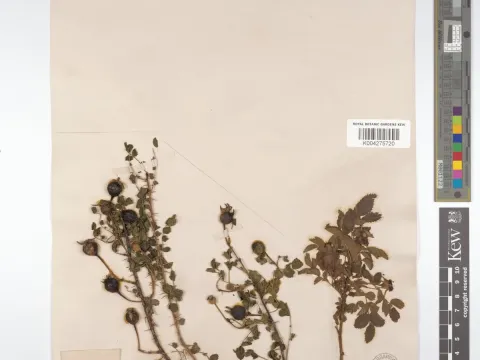
Rosa reversa
Rosa reversa
Rosa reversa, commonly known as the reverse-ovate rose, is a shrub species belonging to the Rosaceae family. It is recognized for its robust nature and high adaptability, often found in temperate European climates where it thrives in sunny, well-drained habitats like woodland edges and rocky slopes.
What the section contains
Rosa reversa
The plant requires fertile, well-drained soil with a neutral to slightly acidic pH to reach its maximum growth potential. While it can survive in various soil types, providing adequate organic matter ensures the health and longevity of the root system, which is essential for consistent fruit production.
Sunlight is a vital factor for this crop. Rosa reversa performs best under full sun exposure, which enhances photosynthesis and promotes the development of numerous flowers. Insufficient light often leads to stunted growth, sparse flowering, and increased susceptibility to various environmental stresses.
This species is noted for its exceptional cold hardiness, making it an ideal candidate for cultivation in regions with harsh winters. Its ability to withstand freezing temperatures without significant damage allows for reliable development year after year, even in challenging northern climates.
Agricultural maintenance involves regular pruning to keep the shrub in a healthy state. Removing old or damaged canes helps to improve air circulation within the canopy, which is crucial for preventing fungal infections and stimulating the growth of young, productive wood.
The primary agricultural value of Rosa reversa lies in its fruit, or rose hips. These fruits are highly regarded in the pharmaceutical and food industries due to their high concentration of Vitamin C, antioxidants, and essential oils, which are utilized in various health-oriented products.
The yield of this crop depends heavily on proper site management and seasonal weather patterns. With regular pruning and adequate spacing, a mature shrub can produce a significant quantity of rose hips, suitable for both artisanal harvests and commercial-scale production for processing.
In addition to medicinal use, the rose hips are processed into jams, jellies, and syrups. Their unique flavor profile and nutritional density make them a niche but valuable commodity in the market for organic and specialty food products, contributing to the overall farm profitability.
Beyond the fruit, Rosa reversa is used in landscape architecture to create natural windbreaks and hedges. These plantings serve a dual purpose: they provide habitat for local pollinators and help in soil erosion control, which is essential for sustainable agricultural land management.
As a rootstock, Rosa reversa is valued by horticulturists for grafting ornamental rose varieties. Its vigorous growth and compatibility with other species ensure that the resulting grafted plants benefit from a strong root system, leading to better overall health and longer lifespans for the roses.
Like many species in the genus Rosa, this plant is susceptible to powdery mildew, especially in humid conditions with poor airflow. Maintaining proper spacing between bushes and avoiding overhead watering are effective strategies to prevent the onset and spread of this fungal issue.
Pests such as aphids and leaf-rollers can cause significant damage to the foliage and tender new shoots. Implementing integrated pest management, which includes encouraging beneficial insects like ladybugs, can help keep pest populations at manageable levels without heavy chemical reliance.
Rust disease is another common threat characterized by dark spots on the undersides of leaves. Good sanitation practices, such as removing and burning fallen foliage in late autumn, are critical steps in reducing the pathogen load for the following growing season.
Root rot can occur if the soil remains waterlogged for extended periods. Ensuring that the planting site has excellent drainage and avoiding over-irrigation are key preventive measures to maintain the plant's health and prevent systemic infection of the root system.
Regular monitoring of the plantation allows for early detection of issues, facilitating targeted and timely intervention. By maintaining a clean and well-aerated environment, producers can significantly mitigate the impact of common threats and ensure a stable and high-quality harvest.