
Rosa pulverulenta
Rosa pulverulenta
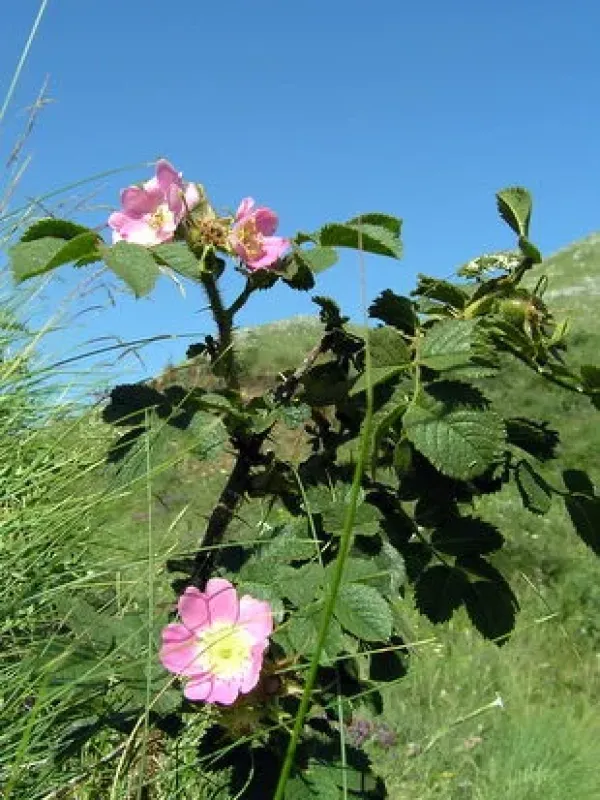
Description
Sowing dates
The propagation of Rosa pulverulenta is primarily performed through seeds or vegetative cuttings. Seeds require a mandatory stratification period at low temperatures for 3 to 4 months to break dormancy and ensure germination.
Sowing in open ground is typically scheduled for autumn, allowing for natural stratification during the winter months. Spring sowing is only recommended if the seed material has been pre-treated in controlled storage environments.
Seeds should be sown at a depth of 1.5 to 2 centimeters to provide the best conditions for seedling emergence. Mulching the surface after sowing is essential to maintain moisture and prevent the soil surface from crusting.
For vegetative propagation, semi-hardwood cuttings are prepared during the active growth phase and planted in dedicated nursery beds. This method helps to maintain the genetic integrity and characteristics of the mother plant.
Early-stage seedlings require consistent moisture and partial shading to protect them from excessive heat. A planting distance of 1.5 to 2 meters is advised to accommodate the natural spread of the shrub as it matures.
Growing requirements
Rosa pulverulenta thrives in sunny, open locations, as it is highly photophilous. Inadequate sunlight results in reduced fruit yield and weak development of the plant structure.
The species prefers well-drained loamy or sandy soils with a neutral or slightly acidic pH balance. Good soil aeration is critical, as stagnant water significantly increases the risk of root rot and plant decay.
This shrub is characterized by high cold resistance and can endure harsh mountain climates. It also demonstrates strong tolerance to drought, making it suitable for regions with variable seasonal rainfall patterns.
Fertilization schedules should include nitrogen applications in early spring for vegetative growth and potassium-phosphorus blends in late summer to aid winter hardiness. Organic compost additions every two years support long-term soil fertility.
Given its natural habitat, the plant is well-adapted to topographical changes and varying air humidity levels. Basic maintenance, such as regular pruning, is recommended to manage the shrub's architecture and improve light penetration.
Main diseases and pests
Powdery mildew is a common fungal threat, typically appearing as a white coating on young leaves and stems. Management involves thinning the crown to enhance air circulation and removing any infected parts of the plant.
Rose rust can cause premature leaf loss, which weakens the plant significantly if left untreated. Application of copper-based fungicides during the early growth stage is the standard preventive measure.
Pests like aphids and leafrollers can cause substantial damage by feeding on soft tissues. Integrated pest management, focusing on biological controls, is highly recommended to protect the crop without disrupting local ecosystems.
Spider mites often emerge during periods of extended drought and heat. Maintaining consistent soil moisture levels helps the plant resist mite infestations and keeps the foliage healthy.
A systematic approach to plant health includes regular sanitary pruning and the removal of dead or crossing branches. This keeps the shrubs vigorous and less susceptible to the onset of typical fungal pathogens.
Harvesting
The harvest of rose hips should begin when the fruit reaches its characteristic vibrant red or orange-red color. It is crucial to avoid over-ripening, as the fruit becomes too soft for safe handling and transport.
Hand picking is the most effective method, although workers should wear thick, protective gloves to manage the thorny stems safely. Precision is necessary to avoid damaging the plant's branches during the process.
Harvested hips must be processed or dried immediately to prevent mold growth. Drying should occur in controlled chambers at temperatures not exceeding 60 degrees Celsius to preserve the fruit's nutritional quality.
Sorting should take place immediately after harvest to remove debris and damaged fruits. High-quality production requires careful cleaning to meet industry standards for medical or food-grade usage.
Dried product should be stored in cool, dry, and well-ventilated areas using breathable packaging. Proper storage conditions ensure the shelf life of the dried rose hips can extend up to two years.