
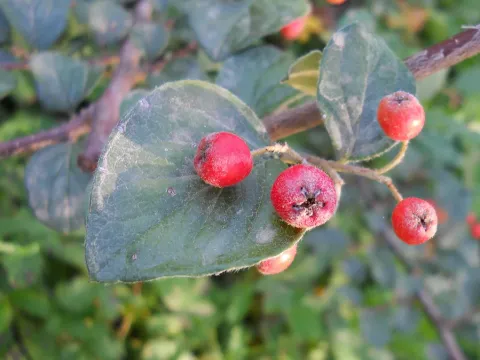
Round-leaved cotoneaster
Cotoneaster rotundifolius
Propagation of Cotoneaster rotundifolius is most effectively achieved through vegetative methods, primarily stem cuttings. The ideal time for harvesting semi-hardwood cuttings is during mid-summer.
What the section contains
Round-leaved cotoneaster
Cuttings should be placed in a well-draining substrate composed of sand and peat. Maintaining high humidity in a greenhouse or cold frame is essential to promote successful rooting during the first weeks.
Seed propagation is a more challenging and time-consuming process. Seeds require a prolonged period of cold stratification to break dormancy before being sown in late autumn or early spring.
When planting, spacing should be carefully planned according to the desired landscape effect. For dense hedge rows, plants should be placed 50 to 80 centimeters apart to ensure proper growth.
Spring is generally considered the best season for transplanting nursery-grown shrubs into the open ground. This allows the root system to establish itself thoroughly before the winter dormancy period.
The round-leaved cotoneaster belongs to the Rosaceae family and is recognized for its robust nature. It thrives best in full sun but maintains good health in partial shade conditions.
The species is highly adaptable to various soil types, provided the soil is well-drained. It does not tolerate waterlogged conditions, which can lead to rapid root decay and plant decline.
One of its key advantages is its high drought tolerance. Once established, these shrubs require minimal supplemental irrigation, making them suitable for low-maintenance garden designs.
Cold hardiness is moderate, and while mature plants are quite resilient, young specimens may benefit from light winter protection in harsher climates to prevent frost damage to the stems.
Regular maintenance involves pruning to shape the plant. The species is highly tolerant of shearing, which makes it an excellent candidate for creating formal hedges or topiary shapes.
Fungal diseases, specifically powdery mildew, are the most frequent health issues for this shrub. Poor air circulation and high humidity are the primary triggers for these infections.
In terms of pests, aphids and scale insects are the most common threats. They damage the foliage and young shoots, often leading to reduced vigor and aesthetic decline of the plant.
Preventative fungicide applications in the early spring can significantly reduce the risk of disease. Keeping the area around the shrub clear of debris also helps minimize fungal spore activity.
Sanitation is a critical part of the maintenance program. Any infected branches should be promptly removed and disposed of to prevent the spread of pathogens to healthy parts of the plant.
Encouraging beneficial insects in the garden can help control aphid populations naturally, reducing the need for chemical interventions in the residential landscape.
While the round-leaved cotoneaster is not a commercially harvested food crop, its berries provide significant ecological value. They serve as an important winter food source for local bird populations.
In landscaping, this plant is frequently used for soil stabilization. Its extensive root system helps prevent erosion on steep slopes and embankments, making it a functional choice for terrain management.
The aesthetic value of the shrub is enhanced by its persistent berries and colorful autumn foliage. It provides year-round visual interest in diverse planting schemes and garden designs.
Creating functional privacy screens or windbreaks is another common use. Due to its dense branching structure, it effectively blocks noise and dust while maintaining an attractive appearance.
Seed collection for nurseries is conducted after the fruits have fully ripened in late autumn. The process requires careful cleaning of the seeds to ensure optimal germination rates for future planting cycles.