
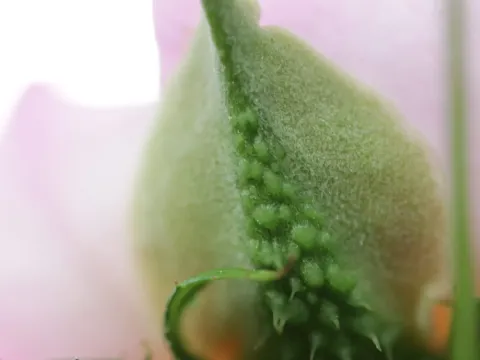
Rosa roxburghii
Rosa roxburghii
Rosa roxburghii, commonly known as the chestnut rose or burr rose, is a species of rose belonging to the Rosaceae family. Native to China, this deciduous shrub is recognized for its unique, prickly fruits and ornamental foliage.
What the section contains
Rosa roxburghii
The plant thrives in temperate climates with full sun exposure, which is crucial for optimal fruit production. It prefers deep, fertile, and well-drained soils, ideally with a neutral to slightly acidic pH level.
Adequate spacing is necessary to ensure good air circulation, which helps reduce the risk of common fungal diseases. The plant requires a consistent supply of water during the growing season but is sensitive to waterlogged conditions.
Soil improvement with organic compost before planting provides the necessary nutrients for vigorous growth. Adding mulch around the base helps retain moisture and suppress weeds throughout the active vegetative phase.
Hardiness varies by cultivar, but generally, the plant benefits from protection during extremely cold winters. Proper maintenance ensures that the plant remains healthy and productive for many years.
Powdery mildew is a significant threat, especially in humid conditions with poor ventilation. Preventive measures include choosing resistant cultivars and avoiding overhead watering during evening hours.
Aphids are frequent pests that infest the tips of young shoots. Regular monitoring and the application of biological control agents or insecticidal soaps can manage these populations effectively.
Black spot, caused by a fungus, may occur during wet seasons, leading to premature defoliation. Strict sanitation practices, such as clearing fallen leaves, are vital to preventing the pathogen's lifecycle.
Spider mites can be a nuisance in hot, dry environments, sucking sap from leaves and causing them to turn yellow. Increasing local humidity and applying horticultural oils can mitigate these infestations.
Regular pruning is a critical component of pest and disease management. Removing dead, damaged, or overcrowded wood improves sunlight penetration and airflow throughout the plant structure.
Harvesting takes place in late summer to early autumn, depending on local climate conditions. The fruits should be picked when they are fully mature and display their typical brownish, prickly exterior.
Protective gloves are essential during harvest due to the dense, sharp prickles covering the fruit skin. Careful handling ensures that the fruit remains undamaged and suitable for further processing.
Once harvested, the fruit should be kept in a cool, dry place to prevent fermentation. If the fruit is not processed immediately, it should be kept in cold storage to maintain its high vitamin content.
Processing methods include drying, juicing, or extracting compounds for the pharmaceutical and food industries. The fruit is highly valued for its exceptional concentration of ascorbic acid.
Yield management involves regular fertilization and balanced pruning to promote new shoot growth for the following season. With proper management, plants can yield substantial harvests of nutritious rose hips.