
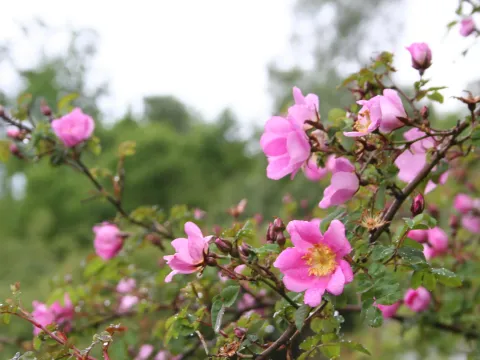
Rosa persetosa
Rosa persetosa
Rosa persetosa is a wild shrub species belonging to the Rosaceae family, native to the mountainous provinces of China. It is highly valued in botanical research and selective breeding due to its unique morphological traits and adaptation to high-altitude environments.
What the section contains
Rosa persetosa
The plant requires well-drained, nutrient-rich soil to thrive. Ideally, the soil should have a slightly acidic to neutral pH level. Proper aeration of the root zone is crucial for preventing root rot and promoting vigorous growth during the spring season.
This culture prefers full sun exposure but can tolerate partial shade in warmer climates. Providing enough space for air circulation is vital, as the species is accustomed to the breezy conditions of its natural highland habitat.
Cultivation practices involve regular moisture management, ensuring the soil remains moist but never waterlogged. Fertilization with organic matter or balanced mineral NPK formulations is recommended during the peak vegetative stage to support healthy branching.
Morphologically, Rosa persetosa is recognized by its densely covered, bristle-like spines on the stems. The foliage is complex and serrated, which enhances its aesthetic appeal when used as a genetic stock for developing new, resilient rose hybrids.
Major phytosanitary threats include fungal pathogens such as Diplocarpon rosae (black spot) and Podosphaera pannosa (powdery mildew), which can devastate the foliage if humidity levels remain excessively high.
Common pests affecting the species include spider mites, aphids, and rose sawflies. Effective management strategies involve integrated pest control measures, including the application of organic horticultural oils and synthetic systemic insecticides.