
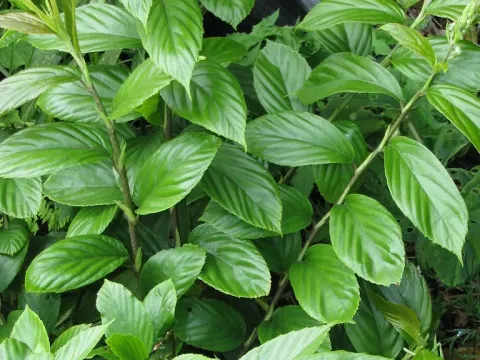
Rubus acuminatus
Rubus acuminatus
Rubus acuminatus is a perennial shrub belonging to the Rosaceae family. This species is native to the tropical and subtropical regions of Asia, primarily found in forest ecosystems where it utilizes canopy cover to regulate its growth environment.
What the section contains
Rubus acuminatus
The plant typically grows in well-drained, nutrient-dense forest soils with a high organic matter content. It thrives in humid environments and requires consistent soil moisture to support its rapid vegetative growth cycle during the warmer months.
Regarding climate, Rubus acuminatus is best suited for regions that do not experience severe frost, as its stems are sensitive to extreme cold temperatures. Shade management is essential for successful growth, as the plant naturally occupies forest edges or gaps.
Agricultural techniques for this crop include vertical trellising, which allows for better air circulation and easier harvesting. Regular mulching is recommended to maintain soil temperature and conserve moisture during peak summer periods.
The plant is utilized both for its edible fruits and its potential in traditional medicinal applications. Due to its genetic relationship with common blackberry species, it serves as an interesting subject for breeding programs aimed at improving disease resistance.
Common threats to Rubus acuminatus include fungal diseases such as leaf rust and anthracnose. These pathogens are most prevalent in areas with high humidity, stagnant air, and poorly maintained plantations that lack proper drainage.
Pests, particularly aphids, mites, and stem borers, are the primary biological stressors for this crop. These insects can weaken the plant by feeding on sap or boring into the stalks, which facilitates the secondary entry of viruses and fungi.
Cultural management, such as pruning dead or infected canes immediately after harvest, is the most effective way to control the spread of disease. Keeping the plantation area clear of debris reduces overwintering sites for various pests.
Monitoring the soil pH is critical, as nutrient imbalances can make the plants more susceptible to physiological disorders. Ensuring that the site has sufficient sunlight exposure (while avoiding direct intense heat) helps maintain robust plant health.
Integrated pest management strategies should emphasize biological controls, such as introducing beneficial insects, over heavy chemical usage. Maintaining plant vigor through proper fertilization helps the crop recover more effectively from environmental stressors.