
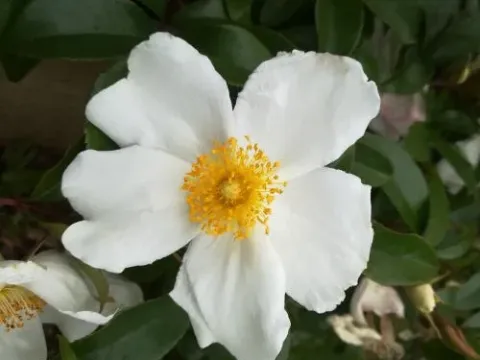
Rosa sinowilsonii
Rosa sinowilsonii
Rosa sinowilsonii, commonly known as Wilson's rose, is a distinctive species within the Rosaceae family. Native to the mountainous regions of southwestern China, this plant is highly prized for its evergreen foliage, which provides structural interest throughout the entire year, a trait unusual for many rose species.
What the section contains
Rosa sinowilsonii
Botanically, the plant is a vigorous climber with long, flexible stems that can reach substantial heights when provided with adequate support. Its leaves are leathery, dark green, and glossy, making it an excellent candidate for covering walls, fences, or arbors in a landscape setting.
Cultivation requires fertile, well-draining soil that is slightly acidic or neutral. Proper soil preparation before planting, including the incorporation of organic compost, ensures healthy root development and provides the plant with essential nutrients for its rapid growth in the spring and early summer.
Climate requirements for this species include moderate temperatures and protection from harsh, drying winds. While it is reasonably hardy, providing a sheltered location helps protect the evergreen leaves from frost damage, which can otherwise cause the foliage to scorch during colder months.
Agrotechnical maintenance focuses on regular irrigation during dry spells and consistent feeding. Applying a balanced NPK fertilizer in early spring encourages robust vegetative growth, while switching to a potassium-rich feed in late summer helps the plant harden off before the winter dormancy.
The primary threats to Rosa sinowilsonii include common fungal pathogens such as powdery mildew, which thrives in environments with high humidity and poor air circulation. Ensuring that the shrub is not planted too densely is a key strategy in preventing such infections.
Black spot is another prevalent issue that can defoliate the plant if left untreated. Regular application of preventative fungicides during the growing season is often necessary in regions with frequent rainfall to maintain the aesthetic quality of the evergreen foliage.
Insect pests, particularly aphids, frequently target the new growth and emerging flower buds. These insects weaken the plant by sucking out nutrients, so gardeners should monitor the shrub closely and utilize insecticidal soaps or neem oil as soon as the first signs of infestation appear.
Spider mites can become a significant issue during periods of hot, dry weather. These tiny pests reside on the undersides of leaves and can cause yellowing and premature leaf drop, which detracts from the plant's evergreen character; keeping the foliage hydrated helps mitigate this risk.
To ensure long-term health, growers should practice systematic pruning. Removing dead or diseased wood and thinning out the center of the plant improves airflow, significantly reducing the habitat for both fungal spores and various harmful insect species that could compromise the rose.