
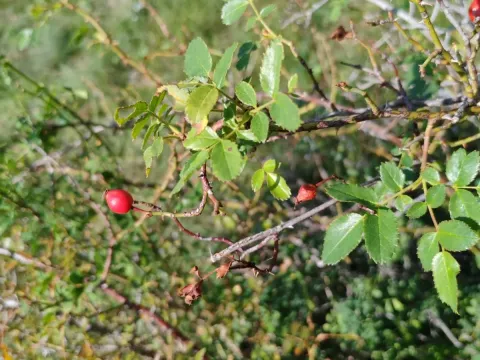
Rosa nitidula
Rosa nitidula
Rosa nitidula is a shrub species belonging to the Rosaceae family, recognized for its aesthetic appeal and structural versatility in botanical landscapes. It is a perennial plant that thrives in various temperate environments, forming dense and attractive clusters.
What the section contains
Rosa nitidula
To ensure healthy growth, this rose requires locations with full exposure to sunlight. The soil should be fertile, well-draining, and rich in humus, with a neutral pH level. Proper aeration of the substrate is critical to prevent the compaction of the root zone.
The plant demonstrates significant tolerance to cold temperatures, making it a reliable choice for cold-climate gardens. During the growing season, it needs consistent hydration, particularly during the early developmental stages of its flowering cycles.
Maintenance involves routine pruning to remove dead wood and encourage the growth of new flowering stems. Fertilization programs focusing on balanced NPK ratios help maintain plant vigor and improve bloom quality throughout the peak season.
Utilized primarily in garden design, Rosa nitidula serves as an excellent hedge plant or ornamental focal point. Its ability to tolerate various environmental stresses makes it a sustainable option for public park maintenance and residential landscaping.
The main pathological threats include powdery mildew and black spot, both of which are triggered by high humidity and poor airflow. Managing these issues requires regular monitoring and the removal of infected foliage to prevent spores from spreading.
Pests such as aphids and leaf-rolling insects often target the succulent tips of young branches. Integrated pest management, involving both mechanical removal and biological controls, is highly recommended to minimize chemical usage.
In addition to insects, root-related issues can arise if the soil drainage is inadequate, leading to various types of rot. Proper soil preparation and the addition of organic matter are essential steps to improve the structural integrity of the soil environment.
Effective defense strategies focus on preventive measures, such as providing adequate space between individual shrubs. This practice allows for better air circulation, which significantly decreases the likelihood of fungal infections occurring.
- Regular inspection of leaves
- Sanitary pruning of dead branches
- Application of copper-based fungicides
- Pest control with eco-friendly soap solutions