


Reference · Crops
Chokeberry
Aronia Medik.
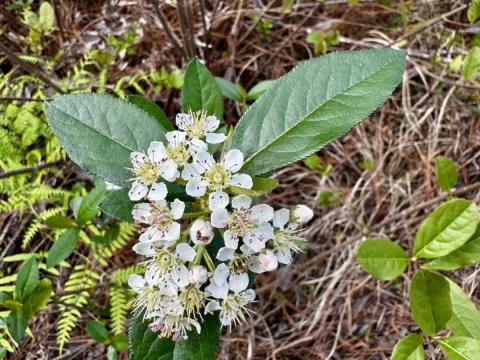
Chokeberry (Aronia Medik.) is a hardy, deciduous shrub belonging to the Rosaceae family. Originally native to North America, it has gained global popularity as a nutritious fruit crop and a versatile landscape plant.
3
items
What the section contains
Marketplace
Products in this section · 3


Chokeberry
The propagation of Aronia is typically achieved through root suckers, layering, or softwood cuttings. While seed propagation is possible, it requires a lengthy period of cold stratification to break dormancy and ensure high germination rates.
Autumn is considered the optimal season for planting, allowing the roots to establish before the ground freezes. However, early spring planting is also effective provided that consistent watering is maintained throughout the first growing season.
When establishing a plantation, plants should be spaced at least 2 to 2.5 meters apart. This allows for adequate air circulation, which is vital for disease prevention and ensures the shrub receives sufficient sunlight for fruit development.
Aronia is a highly adaptive plant that thrives in various soil types, though it prefers well-drained, fertile soil. It is an excellent choice for both commercial fruit production and home garden landscaping.
Chokeberries require a sunny location to produce high-quality, sugar-rich fruit. While they can tolerate partial shade, fruit production and sweetness levels will be significantly reduced in low-light environments.
The shrub is remarkably tolerant of various soil conditions, including acidic and heavy clay soils, provided there is adequate moisture. It does not perform well in extremely dry, sandy soils without supplemental irrigation.
Regular pruning is essential for maintaining the health and productivity of the plant. Removing older, non-productive branches that are over 7 years old encourages the growth of new, vigorous stems that bear the largest berries.
Aronia is extremely winter-hardy and can withstand severe frost. Its resistance to harsh climates makes it a staple crop in many northern regions, where other fruit species might struggle to survive the winter.
Fertilization should be applied annually in early spring to support active growth. Organic fertilizers, such as well-rotted manure or compost, are highly recommended to maintain long-term soil fertility and structure.
An established chokeberry shrub is highly productive, capable of yielding up to 10 kilograms of fruit per season. Productivity typically peaks when the shrub is between 5 and 10 years old, provided it receives proper maintenance.
The berries are widely recognized for their high antioxidant content, particularly anthocyanins, vitamins C and K, and essential minerals. They are increasingly used in the food industry for juices, extracts, and as a natural food coloring.
Due to their high tannin content, fresh chokeberries have a distinct astringent flavor. This unique profile makes them an excellent ingredient for jams, wines, and health supplements, as they balance sweetness with medicinal properties.
Harvesting is often mechanized in commercial orchards, as the uniform ripening of the berries allows for efficient collection during a short window of time in late summer or early autumn.
Yield management involves regular watering during the fruit-set stage. Drought stress during this critical period can lead to smaller berries and lower overall sugar content, negatively affecting the final harvest quality.
Aronia is relatively resistant to most pests and diseases compared to other Rosaceae species. However, it can occasionally be affected by powdery mildew, especially in humid and poorly ventilated conditions.
Pests like aphids and leaf-eating beetles may attack young foliage during the spring. Monitoring is essential, and any interventions should be timed to avoid harming beneficial pollinators that visit the flowers.
Good sanitation is the most effective form of prevention. Removing fallen leaves in autumn and pruning out diseased wood helps eliminate potential fungal spores that could overwinter in the garden.
Integrated pest management strategies are recommended, focusing on maintaining plant vigor through proper nutrition and pruning, which naturally makes the shrub more resistant to biotic stressors.
If chemical controls are necessary, they should be applied early in the season or after the harvest to ensure the safety of the fruit and the surrounding environment, particularly for those using berries for consumption.
The harvest season for chokeberries typically occurs from late August through September. Berries should be harvested only when they have turned a deep, glossy black, indicating full maturity and peak sweetness.
Thanks to their firm skin, the berries are exceptionally durable and easy to transport without damage. They can be stored in a cool, dry place for several weeks or frozen for long-term use throughout the year.
Harvesting in clusters is highly efficient. By clipping the entire fruit cluster rather than picking individual berries, the risk of fruit skin breakage is minimized, ensuring better preservation of the harvest.
For those interested in long-term food security, drying is a preferred method. Dried chokeberries retain their nutrient profile and are perfect for inclusion in cereals, baking, or teas during the winter months.
Post-harvest care involves sorting the berries to remove debris and ensuring they are chilled immediately if not processed within 24 hours, preventing any unwanted fermentation or spoilage.