
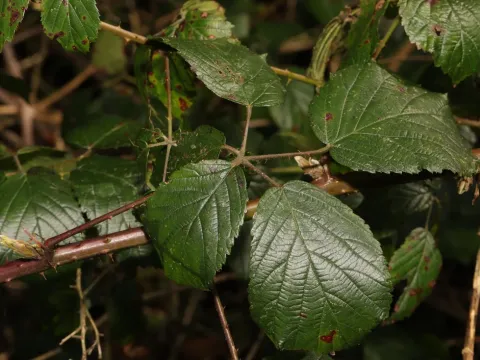
Cissbury blackberry
Rubus cissburiensis
The Cissbury blackberry (Rubus cissburiensis) is a perennial shrub belonging to the Rosaceae family. This species is widely recognized as part of the diverse European blackberry complex, characterized by its biennial cane cycle and vigorous growth habit, often featuring arching stems equipped with sharp prickles for protection.
What the section contains
Cissbury blackberry
Regarding soil requirements, Rubus cissburiensis thrives in well-drained, fertile soils with a slightly acidic to neutral reaction. It does not tolerate waterlogging, as excessive soil moisture in the root zone can lead to root rot and diminished plant vigor, making site selection critical for commercial or home garden success.
Climate adaptability is a significant trait of this blackberry species. It performs best in temperate zones where moderate rainfall is distributed throughout the growing season. While the plants are generally hardy, they benefit from protection during extreme cold events, as late spring frosts can damage the tender emerging flower buds, thereby reducing potential yield.
Effective agrotechnical practices for this species include systematic pruning and trellising. Pruning should focus on removing old, spent canes after harvest to encourage the growth of new, productive primocanes. Trellising helps keep the canes off the ground, reducing the risk of disease transmission and ensuring better air circulation for the developing fruit.
From an agricultural standpoint, this species is primarily valued for its genetic diversity within the Rubus genus. It is often studied for its natural resistance and environmental adaptability, which provides breeders with essential traits for developing resilient blackberry cultivars suited for specific regional climate conditions.
The plant is susceptible to common bramble diseases, including cane blight and rust, which thrive in humid conditions. Maintaining proper spacing between plants and ensuring efficient pruning are the primary cultural methods to prevent the build-up and spread of fungal spores across the berry patch.
Pest pressures primarily include the blackberry mite and aphids, which can compromise the structural integrity and aesthetic quality of the berries. Monitoring for these pests is essential, particularly during the flowering and fruit-setting stages, to apply targeted interventions before the harvest season begins.