
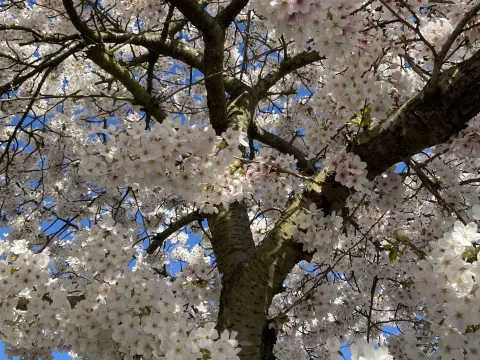
Judd cherry
Prunus juddii
The Judd cherry (Prunus juddii) is an ornamental deciduous tree belonging to the Rosaceae family. It is a distinctive hybrid resulting from the crossing of Sargent's cherry and other Asian cherry species, prized for its profuse, attractive blossoms in early spring.
What the section contains
Judd cherry
Optimal growth requires a sunny location with plenty of direct exposure to sunlight. A full-sun position is essential for the tree to maintain its structural integrity and produce the dense floral display that makes this species a popular choice for landscape design.
The species thrives in fertile, well-draining soil with a neutral to slightly acidic pH. While it is adaptable, it cannot tolerate waterlogged conditions, which can lead to root rot and other physiological stressors, making proper soil drainage a mandatory installation step.
The tree exhibits moderate cold hardiness, typically suitable for temperate climate zones. During the establishment phase, young trees benefit from organic mulch around the root zone, which helps retain moisture and shields the shallow roots from extreme temperature fluctuations.
Maintenance practices focus on structural pruning to maintain a desirable shape and ensure adequate airflow through the canopy. Regular watering is required during the dry summer months to prevent premature leaf drop and ensure the development of healthy buds for the following year.
The Judd cherry is susceptible to common fungal pathogens such as brown rot and leaf spot, which are often triggered by prolonged humidity. Integrated pest management, including fungicide application and canopy thinning, is effective in preventing these outbreaks.
Insect pests, including aphids and various types of scale, can pose a risk to younger specimens. Early detection and the application of horticultural oils or systemic insecticides help keep populations in check without damaging the beneficial insect community in the garden.