
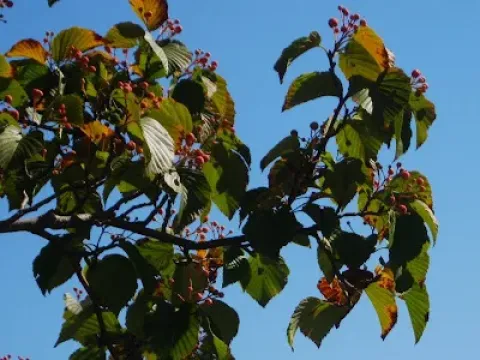
Keissler's mountain ash
Sorbus keissleri
Keissler's mountain ash is a rare species of deciduous tree or large shrub belonging to the Rosaceae family. Originating from the mountainous regions of China, this plant is valued in horticulture for its elegant canopy shape and high aesthetic appeal throughout the entire growing season.
What the section contains
Keissler's mountain ash
This culture has specific requirements for growth conditions, preferring well-drained loamy or sandy soils with moderate moisture levels. It is essential to avoid areas with stagnant water, as the root system is sensitive to excessive waterlogging and may be susceptible to fungal infections.
The optimal planting site is an open sunny area or partial shade, where the mountain ash can maximize its growth potential. Under conditions of heavy shading, the shoots may stretch excessively, which negatively affects the density of the crown and the intensity of fruit production.
The plant demonstrates sufficient resistance to climate fluctuations characteristic of temperate latitudes; however, in the first years after planting, young specimens require protection from extremely low temperatures. Mulching the root zone helps retain moisture and protects shallow roots from frost.
In terms of agrotechnics, controlling soil acidity is critical, as it should vary from slightly acidic to neutral. If fertilization is necessary, it is recommended to use balanced mineral complexes at the beginning of the active growing season to stimulate green mass growth.
Like many members of the Rosaceae family, this species may suffer from fire blight, which manifests as rapid drying of branches and blackening of leaves. To prevent the spread of the pathogen, it is vital to conduct timely sanitary pruning of affected areas followed by their disposal.
Powdery mildew poses another serious threat, especially during years with humid and warm summers, provoking the appearance of a characteristic white coating on the leaves. The use of sulfur or copper-based fungicides effectively curbs the development of this fungal disease.
Pests such as aphids and various types of leaf beetles can cause significant damage to young shoots and buds by sucking cell sap. Regular inspection of plants and the use of contact insecticides allow for the control of pest populations within acceptable limits.
Codling moths and other fruit-damaging insects require special attention during the ovary formation period, as their activity directly reduces the tree's aesthetic appeal in autumn. Preventive treatments at the onset of fruit formation significantly reduce the risk of mass infestation.
Inadequate crown aeration promotes the creation of a microclimate favorable for the development of parasitic microorganisms, so regular formative pruning is a mandatory horticultural practice. Thinning the crown facilitates better ventilation and light penetration into the shrub.