
Japanese burnet
Sanguisorba obtusa
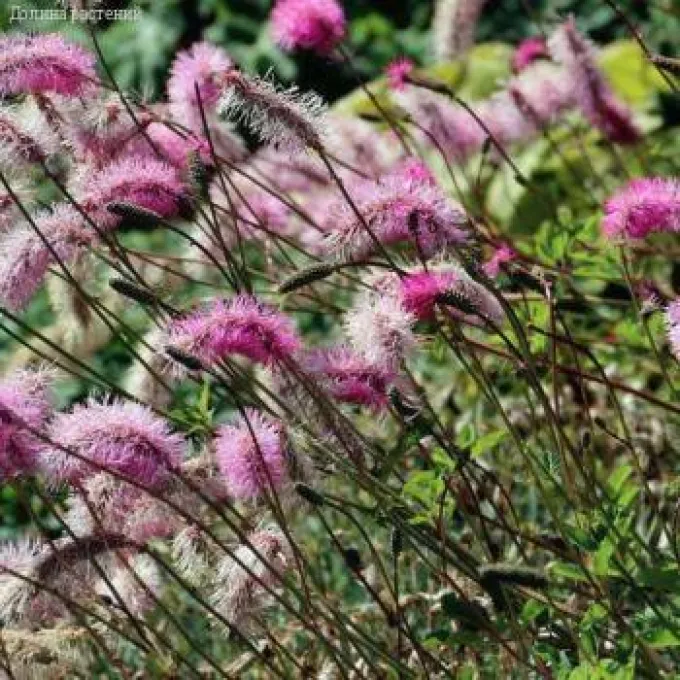
Description
Sowing dates
Seeds of Sanguisorba obtusa should be sown in autumn for natural stratification or in early spring after chilling the seeds in a refrigerator. Sowing in pots is highly recommended to control the moisture and temperature levels during the germination phase.
When sowing in spring, place the seeds on top of the moist soil and cover them lightly with a thin layer of fine substrate. Consistency in soil moisture is essential, as the seeds are sensitive to drying out, which can halt the germination process significantly.
Maintain an ambient temperature of approximately +15 to +18 degrees Celsius during the germination period. Seedlings usually emerge within three to four weeks, requiring careful monitoring to prevent damping-off diseases during the early development stage.
Transplanting seedlings to the permanent location in the garden should be performed once the danger of late frosts has passed, typically in late May. Ensure a spacing of at least 45 centimeters to allow for optimal growth and air circulation.
Vegetative propagation via root division is a preferred method for gardeners looking to maintain the specific traits of the plant. This is best accomplished in early spring or autumn when the plant is not in its active blooming phase.
Growing requirements
Sanguisorba obtusa, a member of the Rosaceae family, thrives in a variety of environments but prefers sunny locations with some protection from strong winds. In warmer climates, it can handle partial shade, which keeps the foliage from drying out.
The ideal soil for this species is rich in organic matter and consistently moist. It is vital to ensure that the site has excellent drainage, as the plant does not tolerate waterlogged conditions that may lead to root rot.
The plant performs best in neutral to slightly acidic soils. If the native soil is too heavy or sandy, incorporating well-rotted compost will improve the structure, nutrient profile, and water-holding capacity of the garden bed.
Regular watering is necessary, particularly during hot and dry summer spells. Applying a layer of organic mulch around the base of the plant helps maintain soil humidity and suppresses unwanted weed growth effectively.
While the plant is hardy, it benefits from a light mulch cover in regions with severe winters and little snow cover. This protects the crown from extreme temperature fluctuations and helps the plant recover quickly in spring.
Main diseases and pests
Japanese burnet is generally robust and rarely suffers from major pests or diseases. However, in poorly ventilated gardens or during humid weather, it may become susceptible to powdery mildew, which manifests as a white coating on leaves.
Leaf spots may also occur if the foliage remains wet for extended periods. To mitigate these risks, ensure that the plants are spaced correctly and avoid overhead watering that splashes water onto the leaves.
Aphids can occasionally be a problem, clustering on the developing flower spikes. These pests are easily managed with gentle insecticidal soaps or by encouraging beneficial insects like ladybugs that act as natural predators in the garden.
Root-knot nematodes can occasionally cause issues if the soil is contaminated. To prevent this, rotate planting sites and ensure the health of the soil through regular additions of organic matter and proper drainage management.
Regular garden maintenance, including the removal of dead foliage at the end of the season, reduces the overwintering habitat for pathogens. Keeping the area clean and well-tended ensures the long-term health and vigor of your plants.