
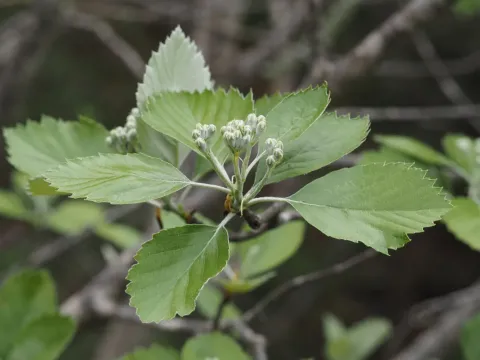
Karpatiosorbus
Karpatiosorbus
Karpatiosorbus is a distinct genus within the Rosaceae family, representing an intergeneric hybrid group involving Sorbus and other related species. These plants are gaining interest due to their unique flavor profiles and resilience in specific climates.
What the section contains


Karpatiosorbus
The culture thrives in temperate zones, requiring full sun exposure to ensure proper fruit maturation. Ideally, it should be planted in well-draining, loamy soils that remain moist but avoid waterlogging which can damage the roots.
Temperature requirements are moderate; the plant is known for its hardiness, surviving cold winter conditions typical of its native mountainous habitats. Protection from harsh northern winds during the early establishment phase is highly recommended.
Soil maintenance involves regular organic mulching to suppress weeds and retain soil moisture. Nutrient management should prioritize balanced NPK fertilizers applied during the early spring to support active shoot growth.
Pruning is essential for both structural integrity and fruit yield. By removing congested branches, growers can improve airflow throughout the canopy, which significantly reduces the humidity levels inside the tree structure.
Major diseases affecting Karpatiosorbus include apple scab and various fungal leaf spot pathogens. Effective disease management involves applying fungicides before the symptoms become widespread during wet spring seasons.
Pests such as aphids and leaf-rolling moths can inhibit the growth of young leaves and damage the fruit. Regular visual inspections are necessary to identify early infestation stages and apply localized treatments.
Maintaining a healthy environment through proper pruning and clearing fallen leaves helps reduce the overwintering capacity of pests and pathogens. Cleanliness in the orchard is the first line of defense.
Balancing fertilization is critical, as excess nitrogen can lead to soft tissue growth, making the tree more susceptible to bacterial fire blight. Monitoring the plant's health through regular site visits is crucial.
Using integrated pest management (IPM) strategies, including the use of pheromone traps, can significantly minimize the reliance on chemical pesticides while maintaining high-quality orchard productivity.