
Japanese rowan
Sorbus japonica
Description
Growing requirements
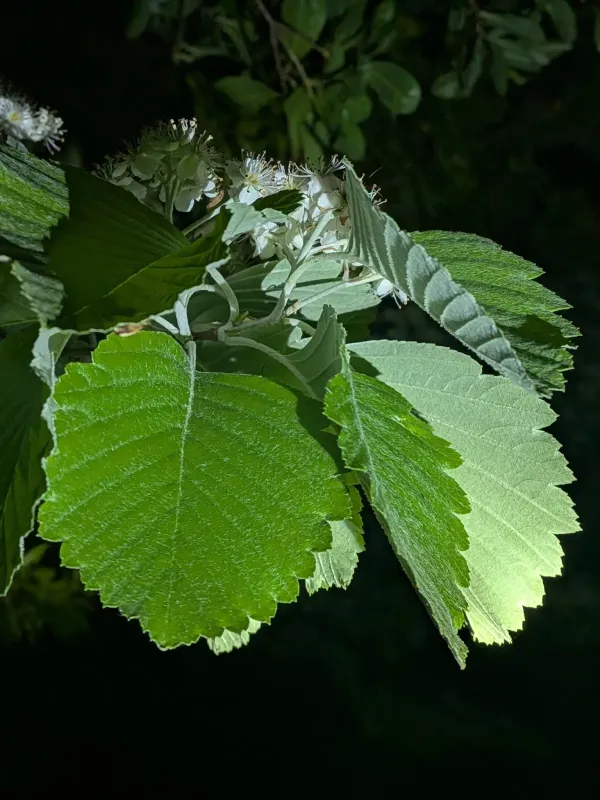
Japanese rowan, known botanically as Sorbus japonica, is a deciduous species belonging to the Rosaceae family. Native to East Asia, it serves as an excellent ornamental specimen due to its unique foliage and vibrant clusters of fruit.
This species thrives in well-drained, moderately fertile soil with a neutral to slightly acidic pH level. Proper site selection is crucial, as the plant prefers full sun to partial shade locations, sheltered from harsh, drying winds.
Agricultural practices for this tree include consistent irrigation, especially during dry spells in its early years of establishment. Fertilization should be focused on the early spring to promote healthy development of the foliage and ensure robust fruit sets.
The tree demonstrates moderate climate tolerance, but it performs best in regions where moisture levels are steady. Mulching around the base of the tree is highly recommended to preserve soil moisture and regulate root temperature throughout the growing season.
In terms of usage, the Japanese rowan is primarily utilized in horticultural settings, ranging from botanical collections to residential landscapes. Its berries are of interest in ecological gardening as they provide a food source for local bird populations.
Main diseases and pests
Common pathological threats include fungal infections such as apple scab and fire blight, which can significantly damage tree vitality. Pruning infected branches promptly is the most effective way to prevent the spread of these diseases within a garden.
Pest management should focus on aphids, scale insects, and mites that frequently target new foliage growth. Regular monitoring and the application of horticultural oils or insecticidal soaps can manage these populations without causing long-term environmental harm.