
Japanese avens
Geum japonicum
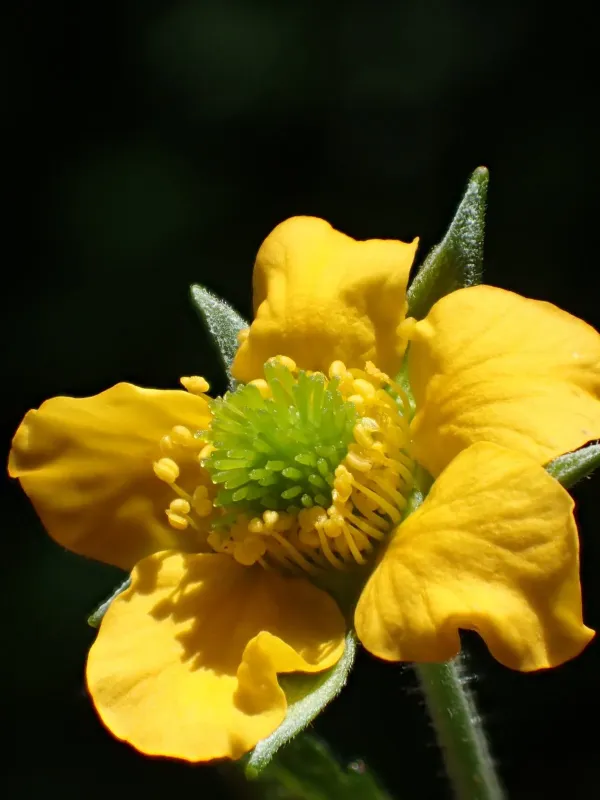
Description
Sowing dates
Sowing Japanese avens seeds is best performed in late autumn as they require a period of cold stratification to break dormancy. Sowing in open ground before winter ensures robust germination when spring temperatures rise.
If sowing in spring, seeds should be started indoors in seed trays during March using a well-draining potting medium. Maintain temperatures between 18 and 20 degrees Celsius to promote consistent sprouting.
Transplant seedlings into individual pots once the first true leaves have developed. This step allows for stronger root establishment before moving the plants to their permanent outdoor location.
Hardened-off plants should be moved to the garden in late May once the danger of frost has passed. Space individual plants approximately 30 centimeters apart to allow for proper airflow.
Propagation through division of mature root clumps is another effective method, typically performed in either early spring or autumn. This technique yields larger, more vigorous plants than starting from seed.
Growing requirements
Japanese avens, a member of the Rosaceae family, thrives in fertile, loamy soils that maintain consistent moisture. Excellent drainage is critical, as stagnant water can quickly lead to root rot.
The plant performs best in locations that offer dappled shade or full sun, provided the soil remains sufficiently moist. In hotter climates, afternoon shade is highly recommended to prevent leaf scorch.
Soil pH levels should remain between 6.0 and 7.0 for optimal nutrient uptake. Before planting, incorporate organic matter such as well-rotted compost to enrich the structure and fertility of the ground.
Regular irrigation is essential, especially during dry spells, as the plant does not tolerate drought well. Consistent soil moisture is key to maintaining both its ornamental appeal and medicinal potency.
This species is notably hardy and generally withstands moderate winters without special protection. Applying a layer of mulch around the base helps retain soil moisture and prevents competitive weed growth.
Main diseases and pests
Powdery mildew can become a significant issue during periods of high humidity or poor air circulation. To manage this, apply copper-based fungicides and ensure the planting area is properly ventilated.
Pests like aphids and spider mites may infest the plant during hot, dry summer months. Monitoring the undersides of leaves and applying horticultural oils or systemic insecticides can keep populations under control.
Root rot is a common ailment caused by overwatering or poor drainage. If signs of wilting appear, check the moisture levels immediately and improve soil drainage or adjust the watering schedule accordingly.
Slugs and snails can cause considerable damage to young, tender foliage during the spring. Utilize physical barriers like copper tape or environmentally safe bait to protect the developing plants.
Regular sanitation, such as removing dead foliage in the autumn, prevents the overwintering of pathogens. Maintaining proper spacing between plants significantly reduces the risk of widespread fungal infections.
Harvesting
The harvest of Japanese avens primarily involves collecting the roots and aerial parts, which are valued for their bioactive compounds in various traditional applications.
Roots are best harvested in the autumn after the growing season, as concentrations of active ingredients are highest then. After cleaning and washing, they should be dried carefully at low temperatures.
Leaves and stems should be gathered during the peak flowering stage to ensure the highest quality of volatile oils. Dry the harvested material in a shaded, well-ventilated area to preserve its integrity.
Store the dried plant material in sealed, moisture-proof containers placed in a cool, dark location. Proper storage conditions allow the harvest to remain viable for up to two years.
In ornamental settings, deadheading spent blooms throughout the season promotes a secondary flush of flowers and diverts energy into the root system, which is beneficial if roots are the intended harvest.