
Kawakami Pear
Pyrus kawakamii
The Kawakami pear (Pyrus kawakamii), a member of the Rosaceae family, is a distinct evergreen species native to Taiwan, known for its adaptability to mild climates.
What the section contains
Kawakami Pear
Unlike common deciduous pear trees, this species retains its foliage year-round, which requires a frost-free environment to maintain its ornamental appeal and health.
It prefers well-drained, fertile soil with a neutral pH, and it is essential to ensure that the site is not prone to waterlogging, as the root system is sensitive to poor drainage.
The tree thrives in full sun but can tolerate partial shade, making it a versatile choice for various landscape applications in subtropical or warm temperate zones.
Maintenance involves regular monitoring of soil moisture, consistent mulching to protect roots, and pruning during the dormant period to encourage healthy branch structure.
The primary economic value of the Kawakami pear lies in its ornamental use rather than commercial fruit production, as its fruits are small and not typically consumed.
Gardeners value this species for its prolific and fragrant white blossoms that appear in late winter, providing early seasonal interest in the landscape.
It is often employed as a landscaping specimen due to its ability to grow into a dense, attractive tree that works well in parks and urban green spaces.
In some horticultural contexts, it is used as a rootstock for other pear varieties to improve vigor and resistance in specific climatic conditions.
As the tree matures, it forms a rounded, bushy crown that makes it an excellent choice for ornamental screens or as a background plant in gardens.
The Pyrus kawakamii is susceptible to various pests, including scale insects, aphids, and mites, which can cause significant damage to its evergreen foliage.
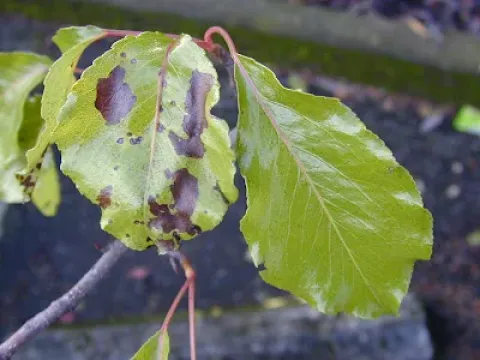
Fungal leaf spot diseases are common, especially in areas with high humidity, requiring careful management of airflow and canopy density through pruning.
Fire blight is a major concern, as it is with many members of the rose family, requiring immediate removal and destruction of affected plant material.
Root rot, often caused by pathogens like Phytophthora, is a risk if soil aeration is compromised, which is why soil management is crucial for tree longevity.
- Regular inspection for early signs of pest infestation or bacterial symptoms.
- Maintaining proper spacing between plants to enhance air circulation.
- Using copper-based fungicides as a preventative measure during rainy seasons.