
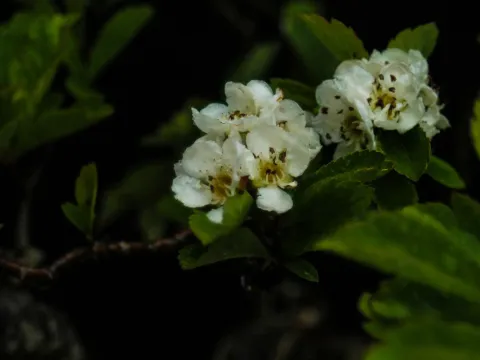
Japanese hawthorn
Crataegus cuneata
Japanese hawthorn (Crataegus cuneata) is a deciduous shrub species belonging to the Rosaceae family. Originally native to East Asia, it is recognized for its hardiness and medicinal value.
What the section contains
Japanese hawthorn
The plant thrives in full sun exposure, which is essential for uniform fruit ripening and disease prevention. It prefers well-drained, fertile soil with a slightly acidic to neutral pH level for optimal growth.
As a resilient culture, it exhibits strong cold tolerance and can endure various climate fluctuations. However, young plants require supplemental irrigation during dry periods to establish their root systems.
Cultural practices include systematic pruning to manage the dense canopy, which prevents overcrowding and allows for better light penetration throughout the shrub's structure.
The species serves various purposes, ranging from ornamental landscaping to commercial cultivation for its phytochemical-rich fruits, which are processed into herbal supplements and traditional remedies.
Major phytopathological threats to Crataegus cuneata include powdery mildew and leaf rust, which often occur in sites with poor air circulation and high relative humidity.
Insect pests, such as aphids and leaf-rolling moths, can cause significant damage to foliage and developing fruits, potentially reducing the overall annual yield.
Effective management strategies rely on integrated pest management (IPM), starting with the removal of infected plant debris to reduce overwintering populations of pathogens.
During the growing season, careful monitoring for signs of infestation is required to apply targeted treatments before the pest population reaches damaging levels.
Preventive fungicide applications during the early vegetative stage are standard practice in commercial orchards to ensure healthy leaf development.
The harvest period for Japanese hawthorn fruits begins when they reach full maturity, characterized by deep red color and soft texture.
Manual harvesting is the most common method, necessitating the use of protective gear due to the long, sharp thorns found on the branches of the shrub.
Harvested berries are highly perishable; therefore, rapid cooling and processing are required to maintain their quality and preserve the bioactive compounds.
Post-harvest handling involves cleaning, grading, and either immediate processing into extracts or dehydration for long-term storage and use.
Maintaining a dry and cool storage environment is crucial for preventing spoilage, ensuring the final product meets commercial quality standards.