
Island blackberry
Rubus nesiotes
Description
Growing requirements
The island blackberry (Rubus nesiotes) is a distinct species belonging to the Rosaceae family. It is geographically restricted to the islands of the Macaronesian region, primarily found on the Madeira archipelago.
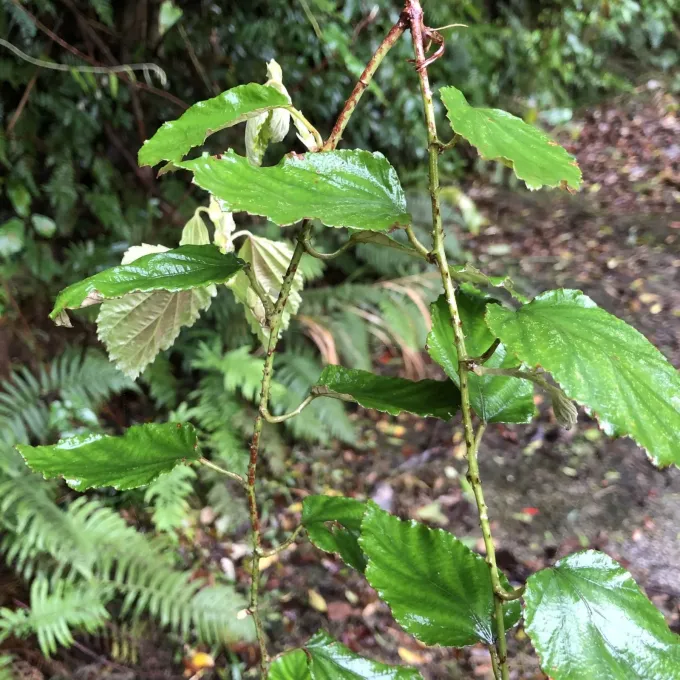
This species exhibits typical characteristics of the Rubus genus, including prickly stems and compound leaves. It acts as a woody shrub that persists through perennial root systems.
The plant thrives in a maritime subtropical climate. It demands high relative humidity and consistent ambient temperatures, avoiding both extreme heat waves and freezing conditions.
Soil requirements involve well-drained, nutrient-rich substrates. The ideal pH range is slightly acidic to neutral, ensuring that the root system receives sufficient oxygen while retaining necessary moisture.
Cultivation practices should mimic the natural environment by providing shelter from strong winds and intense direct sunlight. Adequate spacing is required to maintain airflow and reduce the risk of humidity-related issues.
Harvesting
The economic potential of this species lies in its genetic diversity and potential use in breeding programs for hybridizing blackberry varieties. The fruits are typically aggregate drupes, valued for their potential nutritional density.