
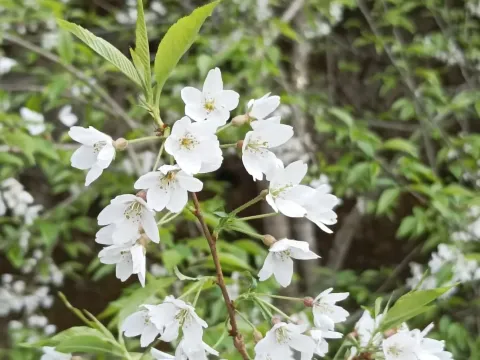
Itosakura cherry
Prunus itosakura
Prunus itosakura, a member of the Rosaceae family, is a deciduous tree widely celebrated for its ornamental value. Native to the mountainous regions of Japan, this species is considered a primitive ancestor to many modern flowering cherry varieties found in gardens across the globe.
What the section contains
Itosakura cherry
This species thrives in well-drained, loamy soils that are rich in organic matter. While it is adaptable to various soil types, it requires excellent permeability as the roots are highly susceptible to rot if subjected to prolonged waterlogging, especially during the dormant winter months.
Climatic requirements involve a temperate environment with distinct seasonal changes, which are essential for the proper development of flower buds. While it shows good cold hardiness, young trees benefit from being planted in sheltered positions to protect their delicate bark from harsh winter sun and winds.
Agronomic management focuses on consistent moisture during the growing season and periodic fertilization to support dense blooming. Mulching around the base of the trunk helps to moderate soil temperature and suppress weeds, creating an environment closer to its natural woodland habitat.
Landscape utilization is primarily aesthetic, serving as a focal point in residential gardens, parks, and botanical collections. Its graceful growth habit and profuse spring flowering make it a prized specimen for temperate climates, provided that basic pruning is done to maintain its structural integrity.
Monilinia blight is a major fungal threat to Prunus itosakura, often leading to the wilting of blossoms and shoot dieback in cool, wet spring weather. Growers should employ preventive fungicide sprays and remove any symptomatic twigs immediately to prevent the spread of the pathogen.
Aphids represent a frequent pest challenge, particularly during the rapid growth phase in late spring. These insects cluster on tender shoots, causing leaves to curl and reducing the tree's vigor; integrated pest management involving neem oil or biological controls is recommended for sustainable care.
Shot-hole disease, caused by various fungi, creates small necrotic spots on the foliage that eventually drop out, leaving a perforated appearance. Maintaining good air circulation within the canopy through proper thinning pruning is the most effective way to minimize the incidence of this disease.
Borer insects can also pose a significant risk, particularly to older or stressed trees, as they tunnel into the trunk and weaken the structural wood. Keeping the tree hydrated and nourished is the best defense against infestation, as healthy trees are better at resisting localized attacks.
Sanitation practices such as clearing fallen leaves and debris in the autumn are crucial for reducing the overwintering population of pests and fungal spores. Proactive monitoring during the early bud-break stage allows for early intervention and ensures the tree's longevity and health.