


Reference · Crops
Reseda
Reseda
Sowing of Reseda should be performed in early spring once the soil temperature reaches at least 10–12°C, ensuring a stable environment for germination.
3
items
What the section contains
Marketplace
Products in this section · 3


Reseda
The seeds are small and require shallow placement in the soil, usually no more than 1 cm deep, to allow for adequate light exposure during the initiation of growth.
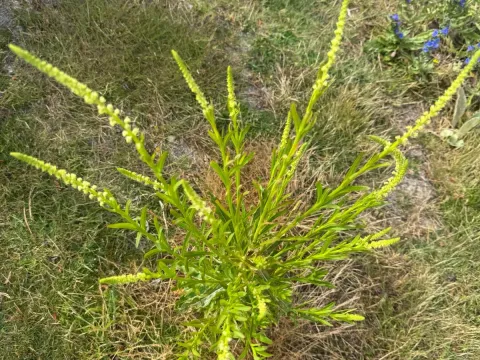
Reseda belongs to the Resedaceae family and is native to the Mediterranean region, which dictates its preference for well-drained and sun-exposed field conditions.
For large-scale cultivation, precise seed spacing is essential to ensure uniform crop maturity and easier harvesting of the flowering tops.
Early-stage irrigation is critical, especially in arid climates, to support the root system before the plants establish their drought-tolerant characteristics.
The crop thrives in sunny locations with light, well-drained soils that have a neutral to slightly alkaline pH level for optimal nutrient availability.
Reseda is generally hardy but requires protection from excessive wind, which can damage the delicate floral spikes and reduce the quality of the harvested oil.
Consistent soil moisture is necessary during the vegetative phase, though the crop is highly sensitive to waterlogging, which can cause rapid root decay.
Fertilization should prioritize phosphorus and potassium to boost flower production, while limiting excessive nitrogen to avoid unwanted vegetative overgrowth.
Regular weeding is mandatory during the first weeks, as the seedlings are slow to establish and can be easily outcompeted by aggressive weed species.
Flea beetles pose the most significant threat to young Reseda crops, often causing severe defoliation shortly after emergence from the soil.
Root rot, primarily caused by fungal pathogens in poorly drained soil, is a frequent issue that necessitates careful site selection and crop rotation.
Aphid infestations on the flower spikes can reduce the yield of high-quality essential oil by damaging the plant's vascular tissue.
Integrated Pest Management (IPM) practices are recommended to minimize chemical usage and protect local pollinator populations that frequent the flowers.
Monitoring for signs of powdery mildew is also advised, particularly in seasons with high humidity, to prevent the spread of the disease.
Harvesting is typically scheduled during the peak flowering stage when the concentration of aromatic essential oils is at its highest point.
Field operations should be carried out in dry weather to avoid mold development and to ensure the highest quality of the botanical raw material.
Immediately after harvest, the material should be transported to drying facilities to minimize the loss of volatile compounds caused by high heat or sunlight.
Drying is performed in shaded, well-ventilated areas at controlled temperatures to preserve the chemical profile of the essential oil.
Standard packaging in breathable containers is used to maintain product integrity before it is sent for steam distillation or industrial processing.