
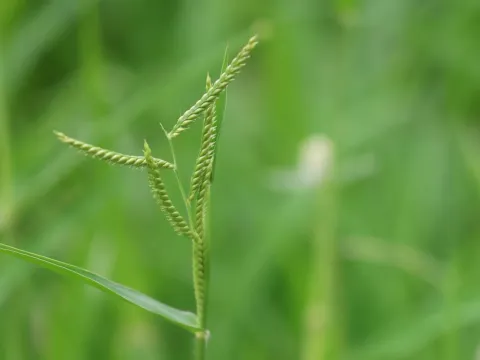
Urochloa trichopus
Urochloa trichopus
Sowing Urochloa trichopus should be timed with the onset of the rainy season to ensure sufficient moisture for seed germination and initial root establishment. Optimal soil temperatures for planting range from 20 to 25 degrees Celsius.
What the section contains
Urochloa trichopus
Seeds should be sown at a shallow depth of approximately 1.5 to 2 centimeters. Surface sowing followed by light soil compaction using rollers helps to improve seed-to-soil contact, which is essential for capturing capillary moisture during dry spells.
The recommended seeding rate typically ranges from 5 to 8 kilograms per hectare, depending on seed purity and germination percentage. Using high-quality seed is vital to ensure a uniform stand and minimize the early establishment of competing weed species.
Starter fertilizers, particularly those rich in nitrogen, are recommended at the time of sowing to promote rapid early growth. Incorporating phosphorus into the seedbed supports vigorous root development, which is critical for the long-term survival of the perennial stand.
After seeding, field rolling is a standard practice to improve the germination environment. By creating a firm seedbed, growers can ensure that the seeds are adequately positioned to absorb moisture, leading to more synchronized and reliable emergence across the field.
Urochloa trichopus is highly valued for its drought tolerance, making it an excellent candidate for agricultural regions prone to seasonal water shortages. It demonstrates robust performance even under prolonged periods of intense solar radiation.
The crop thrives in well-drained loamy and sandy soil types. It is particularly sensitive to waterlogged conditions, as persistent soil saturation can damage the root system and inhibit overall plant growth, therefore proper drainage is essential.
This grass species requires full sun exposure to maintain optimal photosynthetic activity. Shaded environments are not suitable as they typically lead to thinner stems, reduced biomass production, and lower nutritional quality of the forage.
The ideal soil pH for this crop falls within the range of 5.5 to 7.5. While it can adapt to lower fertility soils, its productivity is significantly enhanced with proper fertilization, especially in soils lacking essential micro-elements.
Active vegetative growth occurs in temperature ranges between 25 and 35 degrees Celsius. While it is adaptable to heat, the species is susceptible to frost damage, which can arrest growth and necessitate a period of recovery during the following growing season.
Under optimal management, Urochloa trichopus can produce significant yields, often ranging from 10 to 25 tons of green biomass per hectare per season. These yields are highly contingent on rainfall distribution and proper soil nutrient management.
Depending on environmental conditions and moisture availability, the crop allows for multiple harvests per year. Frequent cutting or grazing can be performed, provided the plants are given adequate recovery time to replenish their energy reserves.
The nutritional profile of Urochloa trichopus makes it a high-quality forage option for ruminants. It offers a favorable balance of protein and digestible fiber, ensuring better intake and animal performance compared to coarser, lower-quality grasses.
Maintaining a residual height of 7 to 10 centimeters after cutting or grazing is crucial for sustained productivity. This practice protects the plant's growing points, allowing for faster regrowth and preventing the depletion of stored nutrients in the crown.
Strategic irrigation during peak dry periods can lead to substantial yield increases, potentially raising biomass output by 30-40%. This makes the crop a viable choice for intensive agricultural systems looking to maximize their forage production capabilities.
Fungal infections, such as leaf rust, represent a primary threat, especially in humid and warm climates. Integrated pest management, including fungicide application and proper plant spacing to increase airflow, can mitigate these risks effectively.
Insects like locusts and various lepidopteran caterpillars may cause significant damage to the foliage. Regular crop monitoring is essential to detect pest infestations early and apply corrective measures before significant yield loss occurs.
Soil-borne nematodes can pose a silent threat by damaging root systems, which results in stunted plant growth and reduced vigor. Implementing crop rotation cycles helps disrupt the lifecycle of these pests and maintains soil health.
Weed competition is particularly intense during the stand establishment phase. Mechanical weeding or inter-row cultivation is often necessary to control invasive species until the crop canopy closes and effectively shades out competing vegetation.
Virus-like diseases transmitted by sap-sucking insects can affect the longevity of the pasture. Prioritizing the use of disease-resistant cultivars and managing insect vector populations are key strategies for ensuring long-term field productivity.
Harvesting is best conducted during the late vegetative stage or early flowering phase to maximize the nutritional value. Waiting too long leads to higher stem-to-leaf ratios, which decreases the digestibility and overall quality of the fodder.
For hay production, the use of mower-conditioners is recommended to speed up the drying process. Rapid drying is critical to minimize the loss of leaves and maintain the green color, which preserves the carotene and vitamin content of the feed.
Ensuring the forage is dried to a safe moisture level is necessary for storage. For silage or haylage, the material should be wilted to 60-65% moisture content to facilitate proper fermentation and prevent spoilage in bunkers or silos.
When used for rotational grazing, dividing the pasture into paddocks allows for more controlled grazing and better forage utilization. This technique prevents overgrazing and selective feeding, ensuring more uniform pasture recovery after the animals move.
The final harvest of the season should be completed early enough to allow the plants to accumulate sufficient carbohydrates in their crowns before the onset of winter. This prepares the crop for dormancy and ensures vigorous growth in the following spring.