
Urochloa distachya
Urochloa distachya
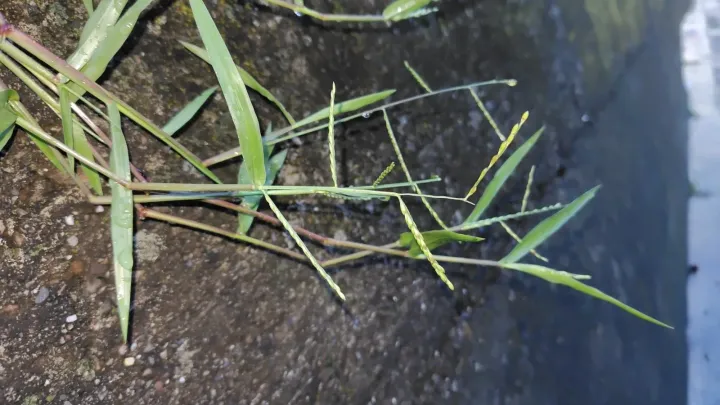
Description
Sowing dates
Urochloa distachya is a grass species belonging to the Poaceae family, widely recognized for its potential as a productive forage crop. In tropical environments, sowing is typically initiated at the start of the rainy season when soil temperatures reach 20–25 degrees Celsius.
The optimal planting time varies by region, but the primary requirement is a warm climate to ensure vigorous germination and subsequent tillering. Seeds are shallow-sown at a depth of 1–2 centimeters, which allows for optimal establishment in well-prepared seedbeds.
The crop shows high seedling vigor, especially when soil fertility is balanced with sufficient nitrogen levels. Depending on the intended use, such as pasture or hay production, planting density can be adjusted to maximize biomass output.
Natural regeneration occurs through seeds and vegetative spread via rooting nodes, making it a resilient choice for various field conditions. It is essential to manage the seedbed to prevent early weed competition during the establishment phase.
Urochloa rapidly forms a dense sod, which is an excellent property for soil stabilization and erosion control on sloped terrains. It remains a popular option for sustainable grassland management in warmer climates.
Growing requirements
This grass thrives in tropical and subtropical climates characterized by consistent warmth and humidity. It is highly sensitive to frost and cannot survive in regions with freezing temperatures, which limits its commercial cultivation to specific latitudes.
The plant prefers light, well-draining soils like sandy loams or loams, though it demonstrates good plasticity regarding soil texture. It performs best in neutral to slightly acidic soil conditions with adequate organic matter.
Sunlight is a key environmental requirement, as Urochloa distachya is not shade-tolerant. High-yielding crops require open, sunny conditions to maintain the physiological processes necessary for rapid biomass accumulation.
While exhibiting moderate drought tolerance, the crop requires regular rainfall or irrigation for optimal yields. Prolonged dry spells significantly restrict the growth rate and decrease the overall quality of the forage.
Agricultural management should include periodic fertilization, particularly with phosphorus and potassium, to maintain root health. Nitrogen application is also beneficial but should be monitored to prevent excessive nitrate levels in the forage.
Yield
Yield potential is largely determined by harvesting frequency and the intensity of grazing. Under favorable conditions, the crop supports multiple cuts per season, providing a steady supply of high-quality livestock feed.
The nutritional profile of Urochloa makes it an excellent choice for cattle, offering a balanced mix of crude protein and fiber. Harvesting should be timed before the plants reach full maturity to maximize palatability and nutrient content.
Dry matter yields typically range from 5 to 12 tons per hectare, depending on local environmental factors and management inputs. Consistent fertilization after each cut is recommended to maintain sustained productivity over multiple years.
Integrating this grass into a pasture rotation system can significantly boost the efficiency of meat production. Careful grazing management is essential to prevent overstocking and ensure the long-term survival of the crop.
Leaving some areas for seed maturation is a standard practice to support natural reseeding, which reduces reliance on purchased planting materials and keeps costs low for the grower.
Main diseases and pests
Common plant health threats include fungal infections like leaf rust, which tend to proliferate during high-humidity seasons. Proactive management involves ensuring proper field aeration and applying fungicides if infestation levels become severe.
Insects, such as aphids and various caterpillars, can cause significant damage by consuming leaf tissue. Regular field monitoring is essential for early detection and targeted interventions to prevent widespread damage.
Weed competition remains a critical challenge during the early stages of growth. Mechanical weeding or the use of appropriate cultural methods is necessary to give the crop an advantage in the critical first weeks.
Root-knot nematodes can become a problem in monoculture systems or soils with poor health. Crop rotation with legumes or other non-host species is highly recommended to improve the soil environment and break disease cycles.
Maintaining strict quarantine and cleaning procedures for farm equipment helps prevent the accidental introduction of pathogens, ensuring that the crop remains healthy throughout the production cycle.
Harvesting
The optimal harvesting period for Urochloa is at the onset of the flowering stage, when nutrient levels are at their peak. Delaying harvest results in stem lignification, which lowers the overall digestibility and intake for livestock.
When producing hay, rapid drying is critical to preserve the green color and nutritional value. Using a rake or tedder allows for uniform moisture reduction, which is essential to prevent spoilage in storage.
Harvesting methods range from manual cutting in small-scale setups to mechanical baling on larger commercial farms. Maintaining a minimum cutting height of 5–7 centimeters ensures that the plant has enough energy reserves to recover rapidly.
Stored hay must be kept in protected facilities to avoid rain and ground moisture, which can cause mold and mycotoxin formation. Proper storage ensures that the quality of the forage remains high until it is needed for feeding.
Efficient harvesting and post-harvest handling are essential for the commercial viability of this crop. Well-managed yields provide a reliable, cost-effective source of essential fiber and protein for livestock production.