
Urochloa eminii
Urochloa eminii
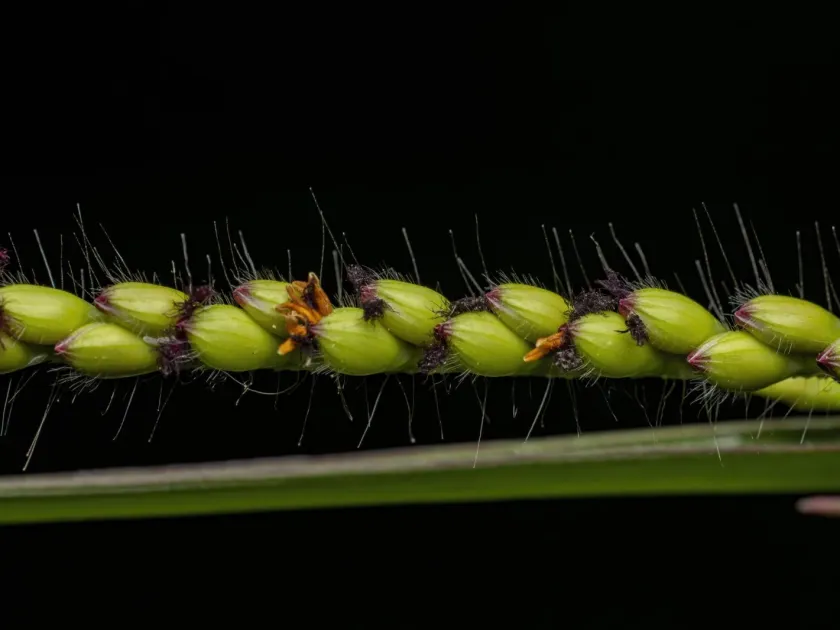
Description
Sowing dates
Urochloa eminii is a perennial grass that is best established at the onset of the rainy season to ensure optimal germination and seedling survival.
Seed quality and viability can vary, so it is recommended to conduct germination tests before planting and adjust seeding rates to achieve the desired density.
The seeds should be sown at a shallow depth, as the small size of the seeds makes them susceptible to burial at depths that prevent emergence.
Vegetative propagation using culm cuttings is a viable alternative to seeding, allowing for faster establishment in areas where soil moisture is reliable.
Proper land preparation, including weed control before planting, is essential to provide a competitive advantage to the young seedlings during their early growth stages.
Growing requirements
This species thrives in tropical climates and requires high levels of solar radiation to maintain its vigorous growth rate and biomass production.
It displays excellent adaptability to diverse soil types, including acidic and nutritionally deficient soils common in tropical regions.
While the plant is relatively resilient, good soil drainage is critical because waterlogging can cause root asphyxiation and promote fungal diseases.
The temperature range for optimal physiological activity is between 22 and 30 degrees Celsius, with significant growth reduction occurring below 15 degrees.
Although it possesses some drought tolerance, consistent moisture availability is necessary to achieve high yields and maintain the nutritional quality of the forage.
Yield
Urochloa eminii is highly valued for its exceptional regrowth capacity, making it an excellent choice for rotational grazing systems.
The biomass yield is significantly improved by the application of nitrogenous fertilizers, which boost leafy growth and crude protein content.
When managed effectively, the grass can support high stocking rates, providing a reliable source of energy and protein for grazing ruminants throughout the season.
The quality of the forage depends on the frequency of defoliation; more frequent grazing at moderate intensity often leads to a higher leaf-to-stem ratio.
Dry matter yields are influenced by soil fertility levels and the overall length of the growing season, which varies depending on local rainfall patterns.
Main diseases and pests
The crop can be susceptible to various tropical pests, including leaf-hoppers and soil-borne insects that can damage the root system if populations are unchecked.
Foliar diseases, such as rusts and leaf spots, may become prevalent during periods of high humidity and poor airflow within the canopy.
Overgrazing is a major management threat, as it reduces the plant's ability to store carbohydrates in the roots, leading to reduced long-term vigor.
Integrated pest management strategies should be implemented to mitigate risks without relying exclusively on chemical interventions.
- Regular assessment of foliage for early signs of disease.
- Implementation of rotational grazing to prevent over-utilization.
- Strategic fertilizer application to improve plant resistance.
Harvesting
For hay or silage production, the crop should be harvested before the onset of flowering to capture the peak nutritional profile of the forage.
Efficient drying methods are required post-harvest to reduce moisture content quickly and prevent the loss of nutrients through fermentation or mold growth.
In grazing scenarios, maintaining an appropriate residual height of approximately 8 centimeters is crucial for the rapid recovery of the sward.
Machinery used for harvesting must be calibrated to handle the leafy canopy without causing significant damage to the crown of the plants.
Post-harvest resting periods allow the plant to replenish energy reserves, which is essential for sustained productivity over multiple years.