
Urochloa oligotricha
Urochloa oligotricha
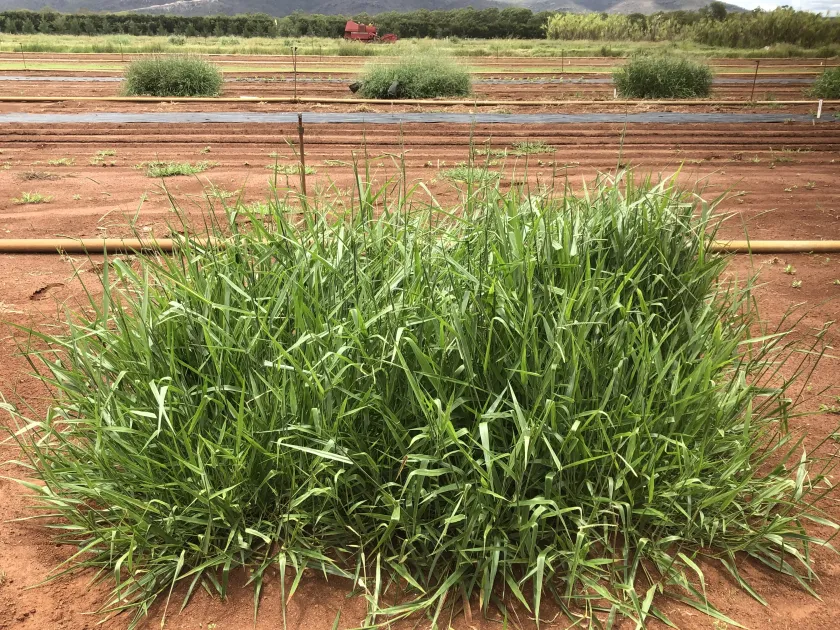
Description
Sowing dates
Urochloa oligotricha is best sown at the onset of the rainy season when soil moisture is sufficient to support initial germination. This timing allows the plant to establish a robust root system before the dry season begins, ensuring long-term survival and productivity.
Soil preparation requires thorough tilling to remove existing weeds, which can significantly outcompete young seedlings for nutrients and sunlight. Providing a smooth, firm seedbed helps achieve uniform depth, ideally no deeper than two centimeters, which is vital for consistent emergence.
The recommended seeding rate is between 5 and 10 kg per hectare, depending on the method of sowing and seed quality. Alternatively, vegetative propagation through stem cuttings is a viable option, ensuring reliable establishment in areas where soil moisture might be periodically inconsistent.
Rolling the soil after sowing ensures good seed-to-soil contact, which accelerates water uptake and germination rates. In arid or semi-arid environments, applying a light mulch layer can help retain soil moisture and protect the surface from crusting during intense sun exposure.
Initial management should focus on restricting grazing in the first year, allowing the plants to mature and develop sufficient biomass. This foundational approach ensures that the pasture remains vigorous and highly productive over several years of intensive use.
Growing requirements
As a member of the Poaceae family, Urochloa oligotricha is a perennial grass well-adapted to savanna and tropical forest environments. It exhibits remarkable drought tolerance due to its deep and extensive root system, making it suitable for regions with variable rainfall patterns.
The plant thrives in well-drained loamy or sandy soils with a pH ranging from slightly acidic to neutral. Avoiding waterlogged conditions is essential, as the roots are sensitive to hypoxia, so selecting sites with natural slopes or effective drainage systems is highly recommended.
Temperature requirements for optimal growth range from 20 to 35 degrees Celsius. The crop shows a strong positive response to nitrogen fertilization, which improves the crude protein content of the forage and stimulates rapid regrowth after mowing or intensive grazing events.
Agronomic management includes regular aeration and weed control to maintain the health and vigor of the sward. Periodic soil testing allows for the precise application of phosphorus and potassium, which are crucial for maintaining root strength and overall stress resistance.
Sustainability of the pasture depends on rotating grazing cycles to provide plants with adequate rest periods. This practice encourages the accumulation of reserves in the root zone, enabling the grass to recover quickly and maintaining a dense, weed-free canopy for years.
Yield
The yield of Urochloa oligotricha is primarily influenced by environmental factors and the level of nitrogen input. Under optimal conditions, the crop is capable of producing multiple cuts per growing season, providing a steady supply of high-quality livestock feed.
Dry matter yields typically range from 8 to 15 tons per hectare, providing excellent forage that is both palatable and nutritious for cattle. Its high digestibility makes it an invaluable resource for meeting the energy needs of livestock in tropical pastoral systems.
Nutritional value remains high when managed correctly, characterized by good crude protein levels and balanced fiber content. This nutrient profile supports efficient weight gain and milk production, making it a preferred choice for intensive forage production systems.
To maximize yields, it is critical to harvest or graze the grass during the active vegetative growth phase, before the stems begin to lignify. This timing ensures that the nutrient quality is at its peak and encourages the grass to produce high-quality regrowth.
Intercropping with legumes can further enhance total yield through nitrogen fixation, which reduces dependency on chemical fertilizers. Such mixed pastures offer a more balanced nutritional intake for animals and improve the overall biodiversity of the grazing land.
Main diseases and pests
Fungal diseases, often triggered by high humidity and poor air circulation, represent the primary threat to Urochloa oligotricha stands. Leaf spot pathogens can reduce the photosynthetic capacity of the plant, directly impacting biomass accumulation and general forage quality.
Insect pests, including various caterpillars and foliage-feeding larvae, can cause substantial damage to the canopy if not monitored. Early detection and the use of integrated pest management practices are essential to prevent localized outbreaks from spreading across the pasture.
Root rot is typically associated with poorly drained soils or soil compaction, which hinders root development and invites pathogen colonization. Maintaining optimal soil structure and ensuring proper drainage are the most effective preventative measures against these soil-borne diseases.
Overgrazing reduces the plant's resilience, making it easier for invasive weeds to establish themselves within the stand. Proper stocking rates ensure that the forage remains healthy and capable of natural self-protection against competition and minor infestations.
Implementing a rigorous sanitation program, including the use of certified pathogen-free seeds, minimizes the risk of introducing diseases. A proactive approach to plant health keeps the pasture productive and reduces the need for extensive chemical interventions over time.
Harvesting
Harvesting methods vary depending on the end goal, whether it is for hay production, silage, or direct pasture grazing. When cutting for hay, using rotary mowers ensures a clean, even stubble that promotes rapid and vigorous regrowth of the next cycle.
When producing silage, wilting the material in the field is necessary to reach the desired moisture content. This stage is crucial for ensuring proper fermentation and preservation, which maintains the nutritional profile of the feed throughout the storage period.
Pasture management requires rotational grazing, which involves moving livestock between sections to allow for necessary recovery. This practice prevents soil degradation and promotes the longevity of the stand, ensuring that the pasture remains useful for many seasons.
Seed collection should take place when the seed heads reach full physiological maturity and a characteristic color change. Harvesting in dry weather prevents moisture-related storage issues, such as mold growth, which can severely compromise the viability of the seed.
Proper cleaning and storage in cool, dry conditions are essential for maintaining high germination rates for future planting seasons. Storing seeds in pest-resistant containers ensures they remain viable and ready for immediate use when the next optimal planting window opens.