
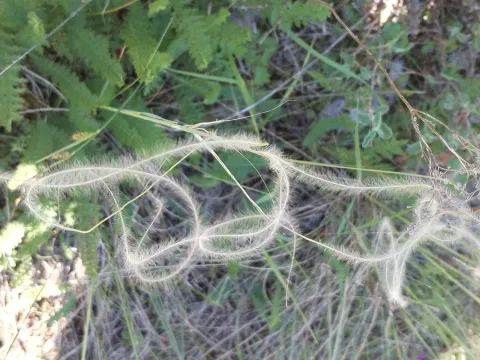
Stipa joannis
Stipa joannis
Stipa joannis is a perennial grass species belonging to the Poaceae family. It is a vital component of steppe ecosystems, known for its extreme resilience in arid and semi-arid environments.
What the section contains
Stipa joannis
The plant features a deep and dense root system, which allows it to access water reserves during long droughts. This architecture helps the grass maintain stability and survive in nutrient-poor, dry soil conditions.
It thrives in full sunlight and is extremely intolerant of shade. Even partial shading from taller vegetation or canopy cover significantly suppresses its growth and reduces its overall vigor.
The ideal soil for Stipa joannis is well-drained, fertile chernozem or chestnut soil. It strictly requires excellent drainage, as waterlogged conditions often lead to root decay and the death of the plant.
Climatic requirements focus on high heat tolerance and the ability to withstand extreme diurnal temperature fluctuations. As a xerophytic plant, it has evolved efficient mechanisms to manage transpiration and conserve internal moisture.
In agricultural settings, Stipa joannis serves primarily as forage during the early vegetative stages. It provides valuable early-season nutrition when other grasses may not have fully emerged.
Grazing management is critical, as the sharp awns of the seeds can cause physical damage to livestock upon ingestion or contact. Controlled grazing is mandatory to avoid animal welfare issues during the seed-ripening phase.
Hay production should be scheduled before the seeds reach maturity. Harvesting at the correct time ensures high nutritional value and prevents the harvest from becoming a safety hazard for livestock.
Beyond forage, the species is frequently utilized in ecological restoration projects. Its ability to stabilize topsoil makes it an excellent choice for mitigating wind erosion in degraded landscapes.
Seed harvesting is technically challenging due to the quick dispersal of seeds once they ripen. Specialized machinery is often used to ensure maximum yield during the short harvest window.
Overgrazing is the primary threat to the longevity of Stipa joannis populations. Excessive animal trampling destroys the delicate root structure and depletes the plant's nutrient reserves.
Fungal infections, such as leaf rust and powdery mildew, present risks during seasons with unusually high humidity levels, which can lead to rapid spread through the population.
Insects like grain aphids and various grass-feeding larvae can damage vegetative structures, weakening the plant's resilience against seasonal stresses like frost or heat waves.
Large-scale landscape conversion, particularly plowing for industrial agriculture, represents the greatest existential threat to the species, as it is difficult to re-establish in previously cultivated fields.
Effective management requires rotational grazing schedules that allow the plants to complete their reproductive cycles and regenerate their root systems without being constantly disturbed by livestock.