
Stipa pulcherrima
Stipa pulcherrima
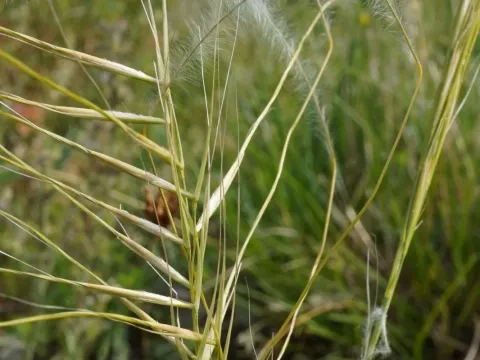
Stipa pulcherrima, commonly known as a type of needle grass, belongs to the Poaceae family. It is a perennial herbaceous plant characteristic of the Eurasian steppe biomes, valued for its elegant, feathery appearance.
What the section contains
Stipa pulcherrima
The plant thrives in well-drained, porous soils such as limestone or sandy loams. It has evolved to survive in semi-arid climates, relying on a deeply penetrating root system to access water during the dry summer season.
Its botanical structure includes stiff, narrow leaves and long, plumose awns that facilitate seed dispersal by wind. These awns are hygroscopic and can twist in response to humidity changes, aiding in seed burial.
Climate requirements include high solar exposure and cold winters, which the plant survives by entering a dormant state. It is highly intolerant of waterlogged soil conditions, which frequently result in plant mortality.
In terms of agricultural management, Stipa pulcherrima requires minimal inputs. It is best suited for low-maintenance areas or xeriscaping, where its natural resilience to abiotic stress can be fully utilized.
Pathogenic fungi are the primary biotic threat to this species, particularly when plants are grown in environments with poor air circulation or excessive soil moisture.
Insects like aphids and specialized grass bugs may feed on the developing inflorescences, potentially reducing the overall seed yield and weakening the plant's structural integrity.
Rust diseases (Pucciniales) are known to affect various species of Stipa, leading to foliage degradation and reduced photosynthetic efficiency during the growing season.
Root rot is often associated with heavy soil types that do not drain effectively, making proper site selection the most important factor in disease prevention.
Management of these threats is best achieved through cultural practices, such as choosing appropriate planting sites and avoiding irrigation patterns that keep the foliage consistently wet.