
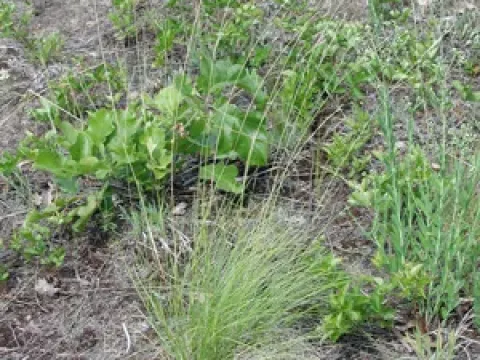
Oat-leaved spear grass
Stipa avenacea
Oat-leaved spear grass, scientifically known as Stipa avenacea or Piptochaetium avenaceum, is an elegant perennial grass belonging to the Poaceae family. It is widely recognized for its delicate, arching foliage and airy flower plumes.
What the section contains
Oat-leaved spear grass
Sowing should ideally occur in the spring when the soil has sufficiently warmed up. For direct seeding, surface sowing is preferred as the seeds require light to germinate effectively.
If starting seeds indoors, sowing should begin 6–8 weeks before the last frost date using a well-draining seed-starting mix to ensure healthy development of the seedlings.
Spacing between plants is crucial; typically, 30–45 centimeters apart allows for adequate airflow and prevents the overcrowding that can lead to disease.
Successful establishment depends on maintaining consistent moisture until germination is complete, after which the young plants become significantly more resilient.
This grass species thrives in full sun, which is essential for developing its characteristic golden hue and maintaining a compact, upright growth habit.
It prefers dry to medium, well-draining soils. It performs best in sandy or gravelly loam where water does not pool, as it is highly sensitive to root rot from poor drainage.
The plant is remarkably drought-tolerant once established and does not require frequent supplemental irrigation, making it a sustainable choice for xeriscaping.
It is native to open woodlands and dry prairies in North America, which dictates its tolerance for poor, low-nutrient soil conditions where other plants might struggle.
No special fertilization is required; in fact, over-fertilizing can lead to weak, floppy growth and a shorter lifespan for the grass clumps.
Root rot is the primary physiological threat to Stipa avenacea, almost exclusively caused by heavy, waterlogged soils or excessive rainfall combined with poor drainage.
Insect pests such as aphids or spider mites may occasionally infest the plants, particularly during hot, dry summer months when the plants are under stress.
Fungal leaf spots can occur if humidity remains high and air circulation around the crown is insufficient, requiring immediate removal of affected foliage.
Maintaining a debris-free zone around the base of the plant helps reduce the habitat for pests and minimizes the accumulation of moisture that can harbor pathogens.
Monitoring for signs of wilting or discoloration allows for early intervention, ensuring the longevity and health of the ornamental grass display.
Routine maintenance includes a single yearly cut-back in late winter or early spring to remove the previous year’s growth and encourage fresh, vibrant foliage.
Seed harvesting should take place mid-summer, once the awns become dry and the plumes exhibit a characteristic tan or golden color, indicating maturity.
To dry seeds, they should be collected on a calm, dry day and spread out in a shaded, well-ventilated area until all residual moisture has evaporated.
For dried floral arrangements, the seed heads should be harvested just as they reach full size but before they begin to shed, allowing for a long-lasting display.
Always exercise caution when handling the mature plants, as the leaves can be quite sharp and may cause skin irritation if handled without protective gloves.