
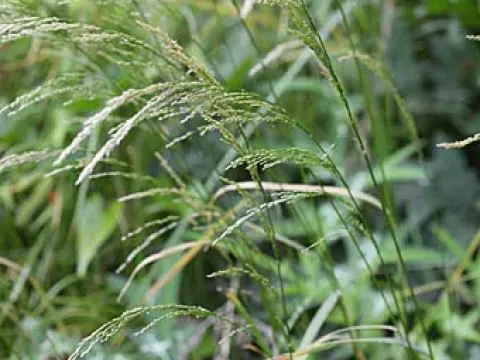
Nippon bentgrass
Agrostis nipponensis
Nippon bentgrass (Agrostis nipponensis) is a perennial grass species belonging to the Poaceae family. This plant is recognized for its ability to develop dense, resilient turf, making it a valuable species for both agricultural land improvement and professional landscaping applications.
What the section contains
Nippon bentgrass
The native range of this species is primarily centered in East Asia, including Japan and surrounding territories. It is well-adapted to temperate climates with consistent moisture, naturally thriving in meadow ecosystems and along water bodies where it demonstrates strong competitive traits.
Botanically, the plant features fine stems and narrow leaf blades that grow in dense clusters. Its efficient root system plays a crucial role in soil stabilization, helping to mitigate erosion while providing the necessary nutrients to sustain rapid biomass growth throughout the growing season.
In agricultural practice, Nippon bentgrass is valued for its nutritional quality when managed as a forage crop. Its high leaf-to-stem ratio in early growth stages provides excellent grazing value for livestock, making it a suitable candidate for overseeding natural pastures.
Beyond agricultural uses, the species is frequently utilized in turfgrass management due to its aesthetic appeal and durability. It can withstand frequent, low-height mowing, which is essential for maintaining golf courses, sports fields, and high-quality residential lawn surfaces.
The ideal time for sowing is during the cool, moist periods of early spring or late summer. Given the small size of the seeds, they should be distributed evenly and lightly covered with soil or compost to maintain moisture and prevent displacement by wind or heavy rainfall.
This grass thrives in well-drained, fertile soils with a slightly acidic to neutral pH level. While it prefers consistent soil moisture, it is important to avoid waterlogged conditions. Regular fertilization with nitrogen-based nutrients significantly promotes density and color intensity.
Common phytopathological threats include various fungal infections, such as rust and powdery mildew, which often develop during periods of high humidity and poor air circulation. Insect pests, including sod webworms and soil-dwelling larvae, represent the primary threat to the root and stem integrity.