
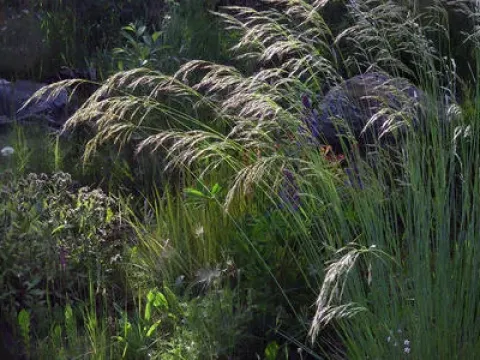
Oatgrass
Helictotrichon
Oatgrass is a perennial plant, which means its sowing is a strategic long-term investment in land productivity and ground cover maintenance.
What the section contains
Oatgrass
Sowing should ideally take place in early spring when the soil temperature is stable and there is adequate moisture to facilitate the germination process.
Uniform seed distribution is achieved using standard grain drills, setting the depth to approximately 1–2 centimeters for optimal emergence.
In the initial stages of establishment, it is critical to keep the soil surface moist to ensure that the fragile seedlings do not dry out under direct sunlight.
Establishing a dense stand requires choosing high-quality, viable seeds that are cleaned and free from impurities to minimize competition from weeds.
Helictotrichon, belonging to the Poaceae family, thrives in well-drained soils and is highly valued for its ability to withstand significant drought periods.
The plant demonstrates remarkable adaptability to various soil types, including nutrient-poor substrates where other crops fail to produce sufficient biomass.
Full sun exposure is a requirement for oatgrass, as low light levels lead to etiolation and loss of the plant's distinctive, decorative blue-grey foliage.
While the crop is extremely hardy, it strictly avoids waterlogged conditions, making proper slope selection and soil drainage essential for successful cultivation.
It prefers a neutral to slightly alkaline soil pH, which allows for maximum nutrient uptake and promotes a robust root system capable of deep soil penetration.
Like many perennial grasses, Helictotrichon is susceptible to fungal rusts, particularly during seasons with high humidity and limited air circulation.
Powdery mildew may occur if planting densities are too high, which restricts airflow and creates a microclimate conducive to fungal pathogen proliferation.
Common agricultural pests such as aphids and grass-feeding insects can occasionally cause damage to the tender growth tips during the vegetative phase.
Root damage by soil-dwelling larvae is possible, often occurring if the previous crop left high populations of wireworms or other soil pathogens in the field.
Integrated pest management strategies, including crop rotation and field sanitation, remain the most effective methods for maintaining healthy oatgrass populations.