


Reference · Crops
Oat
Avena L.
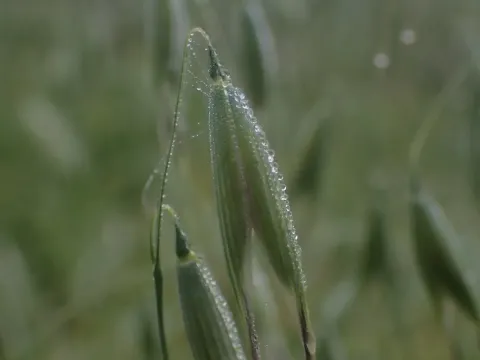
Oats (Avena sativa) belong to the Poaceae family and are a versatile cereal crop grown globally for human consumption and livestock feed.
7
items
What the section contains
Marketplace
Products in this section · 12


Биоорганическое нано удобрение "НАГРО" / "NAGRO"
LLC NPO "BIOPLAN"
Fertilizers
43
25
1 offer
37.63 €за л
Buy


Oat
Sowing should take place as early as possible in the spring, once the soil is workable, to ensure the crop takes full advantage of cool weather and moisture.
The seeds require soil temperatures of 2-4 degrees Celsius to germinate, showing excellent resistance to the cold temperatures of the early season.
Depending on the soil texture, seeds are typically sown at a depth of 3 to 5 centimeters to establish a strong and deep root system.
Proper plant density is achieved by adjusting the seeding rate, which generally ranges from 350 to 500 seeds per square meter for optimal growth.
Oats are well-known for their adaptability to a wide range of climates but thrive best in temperate regions with cool and moist growing seasons.
The crop is highly sensitive to drought, particularly during the stem elongation and heading stages, making adequate water management a priority.
Oats can grow in diverse soil types, including those with higher acidity levels where other cereals might struggle, reflecting their robust nature.
Fertilization should be balanced, with moderate nitrogen application to promote vegetative growth without inducing lodging in the mature stems.
Soil drainage is important to prevent waterlogging, although oats are slightly more tolerant to wet conditions than most other cereal grains.
The yield potential of oats is influenced by the choice of cultivar, regional climate, and the application of effective agronomic practices.
Average yields in many agricultural regions range between 3 and 5 tons per hectare, depending on the management intensity and local conditions.
Under optimal conditions, with high soil fertility and sufficient rainfall, modern high-yielding varieties can produce significantly larger harvests.
Management of weed competition during the early stages of development is essential to maintain high biomass and ensure uniform grain filling.
Maintaining a proper crop rotation system, avoiding consecutive plantings of the same grain, helps stabilize yields and improve soil health.
Oats are susceptible to various fungal diseases, including crown rust, stem rust, and loose smut, which can significantly damage the crop.
Seed treatment with fungicides is the primary preventative measure against soil-borne and seed-borne pathogens such as smut and seedling blight.
Pest pressures include cereal leaf beetles and aphids, which can cause severe damage by feeding on foliage or spreading viral diseases.
Integrated Pest Management (IPM) strategies, including monitoring and timely insecticide applications, are recommended to protect the crop during peak infestation periods.
The use of disease-resistant cultivars is the most effective and sustainable strategy to manage disease risks and minimize the need for chemical intervention.
Harvesting is performed when the grain moisture content drops to approximately 14-16 percent, ensuring stability and reducing post-harvest losses.
Farmers often use the swathing method to allow the crop to ripen uniformly, especially in areas where uneven maturation is a common issue.
Direct combining is also widely practiced when the crop is fully mature and standing upright, allowing for efficient large-scale production.
Timely harvest is critical as oats are prone to grain shedding if left in the field past their peak maturity, which can result in substantial yield reductions.
Post-harvest handling involves cleaning and drying the grain to prevent mold development and ensure safe, long-term storage in silos or warehouses.