
Noric fescue
Festuca norica
Description
Growing requirements
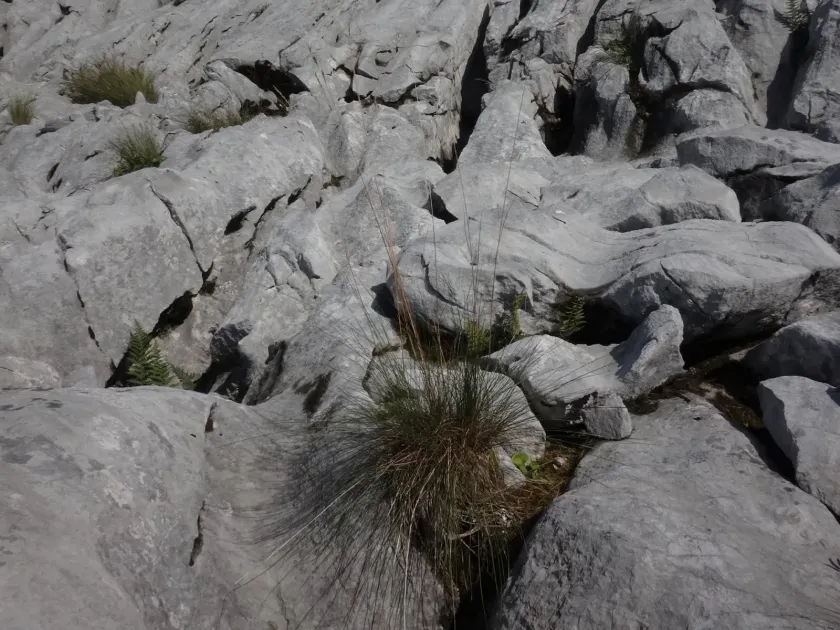
Noric fescue (Festuca norica) is a perennial grass species belonging to the Poaceae family. It is typically found in alpine regions, where it has adapted to harsh environmental conditions, demonstrating remarkable winter hardiness and resilience in high-altitude meadows.
The plant is native to Central Europe, thriving in mountainous zones. It requires a climate characterized by cool summers and sufficient moisture, as it is physiologically unsuited for the high temperatures and prolonged droughts of lowland areas.
Regarding soil requirements, Noric fescue prefers well-drained, porous soils. It is particularly adept at colonizing rocky or slightly acidic substrates, which makes it an excellent candidate for landscape restoration in mountainous terrain.
Agronomic practices focus on maintaining the density of the turf to prevent erosion. It is a slow-growing grass in its initial stages, requiring careful nitrogen management and protection from competitive weeds during the establishment phase.
Economically, this species is utilized primarily for permanent pasture and soil stabilization. Its ability to regrow after grazing makes it a valuable component of the forage base for livestock kept in upland regions.
Main diseases and pests
Common diseases affecting Noric fescue include fungal rusts and powdery mildew, which are often exacerbated by high humidity and stagnant air. Ensuring adequate spacing and site aeration is essential for disease prevention.
Insect pests, such as soil-dwelling wireworms and various species of leaf-eating flies, can pose significant threats to crop health. Monitoring for pest activity during the spring growth phase is recommended to prevent localized damage.
Preventative measures against threats include rotational grazing, which helps disrupt the life cycles of common parasites and pests. This practice also ensures that the grass is not overgrazed, keeping the plants robust and resistant.
Nutrient management is another key aspect of plant protection. Excessive fertilization can lead to succulent growth that attracts pests, while nutrient deficiencies weaken the plant, making it prone to opportunistic infections.
In cases of severe infestation, targeted agricultural treatments should be applied only after proper identification of the pathogen or pest. Integrated pest management (IPM) is the most sustainable approach for maintaining the health of a Noric fescue sward.