
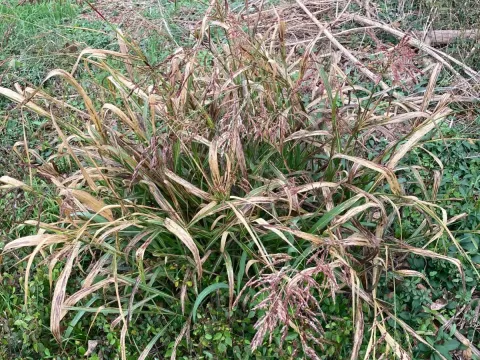
Sorghum
Sorghum
Sorghum sowing is carried out when the soil temperature at the planting depth reaches 12–14°C. Early sowing in cold soil leads to sparse emergence and increases the risk of fungal seed rot.
What the section contains
 Arundinaceous sorghum
Sorghum arundinaceum
Arundinaceous sorghum
Sorghum arundinaceum
 Broomcorn millet
Sorghum miliaceum
Broomcorn millet
Sorghum miliaceum
 Purple-silky sorghum
Sorghum purpureosericeum
Purple-silky sorghum
Sorghum purpureosericeum
 Sorghum caudatum
Sorghum durra
Sorghum durra
Sorghum caudatum
Sorghum caudatum
Sorghum durra
Sorghum durra
 Sorghum hybrids
Sorghum hybrids
Sorghum hybrids
 Sorghum intrans
Sorghum laxiflorum
Sorghum laxiflorum
Sorghum intrans
Sorghum intrans
Sorghum laxiflorum
Sorghum laxiflorum
 Sorghum leiocladum
Sorghum nervosum
Sorghum nervosum
Sorghum leiocladum
Sorghum leiocladum
Sorghum nervosum
Sorghum nervosum
 Sorghum nitidum
Sorghum nitidum
Sorghum nitidum
 Sorghum plumosum
Sorghum plumosum
Sorghum plumosum
 Sorghum propinquum
Sorghum roxburghii
Sorghum roxburghii
Sorghum stipoideum
Sorghum stipoideum
Sorghum subglabrescens
Sorghum subglabrescens
Sorghum timorense
Sorghum timorense
Sorghum versicolor
Sorghum versicolor
Sorghum virgatum
Sorghum virgatum
Sorghum propinquum
Sorghum propinquum
Sorghum roxburghii
Sorghum roxburghii
Sorghum stipoideum
Sorghum stipoideum
Sorghum subglabrescens
Sorghum subglabrescens
Sorghum timorense
Sorghum timorense
Sorghum versicolor
Sorghum versicolor
Sorghum virgatum
Sorghum virgatum
Sorghum
The optimal planting window occurs once the risk of frost has passed. Depending on the climatic zone, this usually ranges from late April to late May for most major producing regions.
Seeding depth is determined by soil moisture and texture. In heavy clay soils, seeds are planted at a depth of 3–4 cm, while in lighter, drier soils, they should be placed at 5–6 cm to reach adequate moisture.
Row spacing depends on the sorghum type and available moisture. Most farmers utilize a wide-row planting method with spacings of 45–70 cm to ensure each plant has enough surface area for optimal growth.
Effective seedbed preparation, including moisture retention and weed control, is essential before planting. Utilizing precision planters helps achieve uniform seed distribution and consistent stand establishment across the field.
Sorghum is a high-yielding annual crop in the Poaceae family, known for its remarkable drought tolerance. Its deep, fibrous root system and specialized leaf structure allow it to survive periods of intense water scarcity.
This crop is thermophilic and requires high heat accumulation throughout the growing season. The ideal growth occurs when temperatures consistently stay between 25 and 30°C.
Sorghum is less demanding regarding soil type compared to other cereals, although it performs best in fertile chernozem and chestnut soils. It shows high tolerance to moderate salinity and soil acidity.
Nutrient requirements for sorghum are significant, particularly nitrogen during the early development stages. Phosphorus and potassium are usually applied during primary tillage to support robust stem development.
Water availability is critical during the boot and heading stages. While the crop is drought-hardy, timely rainfall or irrigation during these reproductive stages significantly boosts final yields.
Grain sorghum yields under proper management can reach 60–80 centners per hectare in well-irrigated environments. In arid or rain-fed regions, yields typically range from 25 to 40 centners per hectare.
Sweet sorghum, grown for green fodder and silage, produces high biomass, often reaching 400–600 centners of green matter per hectare. This indicator depends on planting density and the timing of fertilizer applications.
Yield potential is heavily influenced by the choice of hybrid, which should be specifically adapted to the local agro-climatic zone. Modern F1 hybrids are often used to increase grain output by 15–20%.
Effective weed management is vital for yield success. Since sorghum grows slowly in its initial phase, timely inter-row cultivation is necessary to prevent weed competition for resources.
Seeding density must be adjusted according to hybrid characteristics and water availability. Overcrowding in moisture-deficient conditions often results in smaller grain size and lower overall harvest weight.
The most dangerous sorghum diseases include loose and covered smut, which infect the panicles and grains. Prevention is primarily achieved through fungicide treatment of the seeds before planting.
Other common pathogens include leaf spot diseases, both bacterial and fungal, which thrive in high-humidity conditions. These reduce the photosynthetic area of the leaves, thus limiting plant productivity.
Among pests, cereal aphids are a major threat as they feed on the sap of young plants. Massive infestations can cause leaf curling and significantly stunt stem development.
Wireworms and false wireworms can damage seeds and seedlings underground. Management strategies include strict crop rotation and the use of insecticidal seed treatments to protect the vulnerable early stages.
The European corn borer also poses a threat to sorghum by boring into the stems. This structural damage weakens the plant, making it susceptible to lodging and secondary pathogen infections.
Harvesting grain sorghum occurs at full maturity when grain moisture drops to 18–20%. Delayed harvesting can lead to grain shattering and reduced quality of the crop.
Direct combining requires specialized headers that allow for a low cut and minimize losses. After harvest, the grain must be processed and dried to a standard moisture level of 13–14% for storage.
When harvesting sweet sorghum for silage, the optimal maturity phase is the milk-wax stage of the grain. At this point, the plant contains the highest concentration of sugars and vital nutrients.
Green matter is harvested using forage harvesters, which chop the stalks for ensiling. The quality of the final silage depends on the fineness of the chop and the density of packing in the silo.
Post-harvest field management is essential. Thoroughly chopping and incorporating crop residues into the soil helps maintain soil structure and improves organic matter content for the following season.