
Sorghum caudatum
Sorghum caudatum
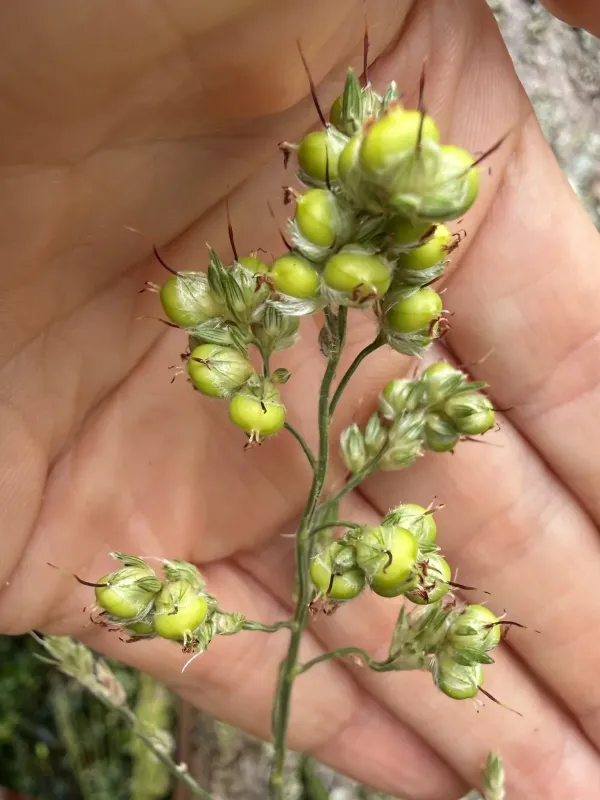
Description
Sowing dates
Sorghum caudatum is a thermophilic crop, meaning its sowing window is strictly determined by soil temperature. The optimal planting time begins when the soil temperature at seeding depth (5–8 cm) consistently reaches 12–15 degrees Celsius.
In temperate zones, sowing usually takes place in late May or early June. Planting into cold, damp soil often results in poor germination rates and stunted early development, which negatively impacts the final yield.
The seeding rate depends on whether the crop is grown for grain or forage. Standard cereal drills with 15–30 cm row spacing are commonly used, though wide-row spacing (up to 70 cm) may be employed for easier mechanical weeding.
Ensuring good soil-to-seed contact via firming (rolling) the soil is crucial for uniform germination. This practice helps maintain moisture around the seed and promotes consistent emergence across the field.
Due to its high initial growth energy, timely sowing is essential to allow the crop to establish a deep root system before the onset of typical summer drought conditions.
Growing requirements
Belonging to the Poaceae family, Sorghum caudatum is renowned for its exceptional drought tolerance. It is capable of thriving in arid conditions thanks to a highly developed root system and specialized leaf physiology that reduces water loss.
The plant prefers well-lit sites with fertile loamy or chernozem soils. It shows remarkable tolerance to saline soils, making it an excellent candidate for agricultural production on marginal lands unsuitable for other cereal crops.
It thrives in soil with a pH range of 5.5 to 7.5. While adaptable, it performs poorly in waterlogged or swampy conditions, as it requires well-aerated soil to prevent root rot and metabolic stress.
Adequate availability of nitrogen, phosphorus, and potassium is vital. While responsive to fertilization, excessive nitrogen early in the growth cycle can lead to over-vegetative growth at the expense of reproductive output.
This crop is highly sensitive to frost at all growth stages. Temperatures falling below zero will immediately damage seedlings or halt the development of mature plants, restricting its cultivation to warmer geographical regions.
Yield
The forage yield of Sorghum caudatum is substantial under optimal conditions. With sufficient rainfall or irrigation, growers can achieve between 30 and 60 metric tons of green biomass per hectare.
Grain yield varies depending on the variety and environmental conditions, typically ranging from 3 to 7 metric tons per hectare, making it a viable alternative to maize in drought-prone environments.
A key agronomic advantage of Sorghum caudatum is its ratoon capacity. After the first cut, the plant regenerates quickly, often allowing for a secondary harvest of green biomass within a single growing season.
The biological potential is best expressed when early planting is combined with precise nutrient management and effective weed control during the first month of the growing season.
To maximize yields, it is recommended to use high-vigor, fungicide-treated seeds, which provide early-stage protection against soil-borne pathogens and ensure a robust plant stand.
Main diseases and pests
Primary pests affecting this crop include cereal aphids, which suck sap from leaves and weaken the plant, as well as stem borers and wireworms that target roots and stems. These can significantly reduce yield quality and quantity.
Major diseases include various types of smut, fusarium, and leaf spot fungi. Because these pathogens can persist in the soil or be carried on seeds, mandatory seed treatment with appropriate fungicides is essential.
High humidity conditions favor the spread of fungal infections. Prevention strategies include rotating crops and avoiding high-density sowing to ensure adequate air circulation between rows.
Nematodes can cause stunted root systems, which manifests as yellowing leaves and sluggish growth. Management relies on crop rotation and the selection of genetically resistant hybrids.
- Implement a 3-year minimum rotation cycle.
- Use certified and fungicide-treated seeds.
- Conduct regular field scouting to apply insecticides only when pest thresholds are reached.
Harvesting
For grain harvest, the crop should be collected at full maturity when grain moisture drops to 15–18 percent. Delaying the harvest can lead to significant losses due to grain shattering from the panicles.
When harvesting for silage or green fodder, the process should begin during the milk-to-dough stage. At this point, the nutritional density in the stems and leaves is highest, providing optimal feed quality for livestock.
Standard combine harvesters with specific header settings are used. Adjusting the drum speed and concave clearance is critical to prevent grain cracking while ensuring clean separation from the panicles.
Post-harvest processing involves cleaning and drying the grain if moisture levels exceed safe storage limits. Storage must occur in clean, well-ventilated facilities to prevent mold growth.
After grain harvest, crop residues can be utilized as feed supplements or incorporated into the soil as organic matter, which assists in long-term soil fertility management.