
Sorghum subglabrescens
Sorghum subglabrescens
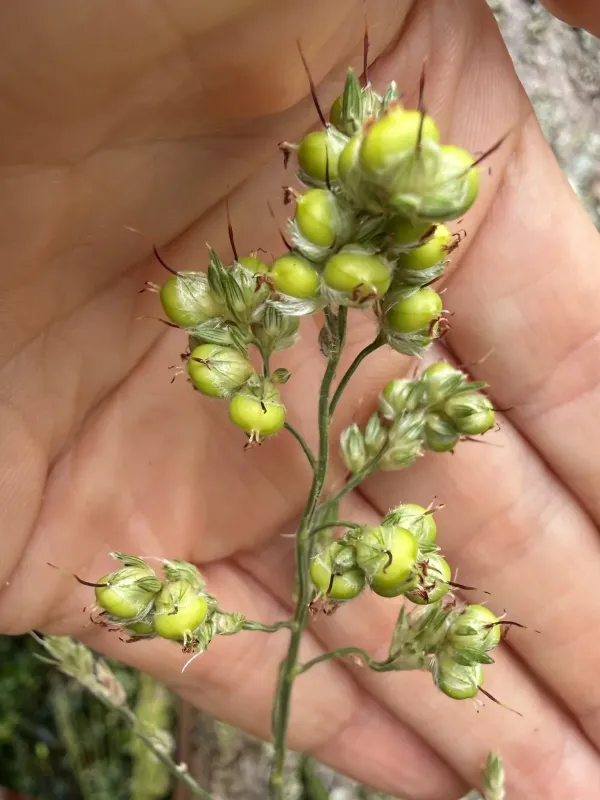
Description
Sowing dates
Sorghum subglabrescens is a thermophilic crop, requiring the soil to reach a temperature of at least 12–14°C at the seeding depth before planting can begin.
In temperate climates, the optimal sowing period is late May, ensuring that the risk of frost, which is lethal to young seedlings, has completely passed.
Early sowing into cold, damp soil significantly increases the risk of seed decay, leading to poor plant density and reduced overall yield potential.
Seeding rates are determined by soil fertility and moisture availability, typically ranging from 150,000 to 250,000 viable seeds per hectare for grain production.
Row cropping with a spacing of 45 to 70 cm is recommended, as it facilitates mechanical weeding during the early vegetative stages when the plants are most vulnerable.
Growing requirements
As a member of the Poaceae family, this species is highly valued for its exceptional drought tolerance, achieved through a deep root system and metabolic efficiency.
While it thrives on fertile chernozem soils, it also performs well on sandy loam soils, provided that balanced fertilization strategies are implemented.
The crop prefers a neutral to slightly alkaline soil pH, ranging between 6.5 and 7.5; acidity levels below these values can inhibit nutrient uptake and growth.
Sorghum subglabrescens requires high accumulated heat units throughout the growing season, which primarily dictates its geographical range of cultivation.
Effective weed control during the first 30–40 days after germination is crucial, as the crop exhibits slow initial growth and is easily suppressed by competitive flora.
Main diseases and pests
The primary threats include fungal diseases such as head smut, which can cause severe damage to the reproductive parts and significantly reduce grain output.
Fusarium stalk rot and bacterial blight often become prevalent under high humidity conditions, causing stem weakness and subsequent lodging of the crop.
Pests like aphids can cause direct physiological stress by sap-feeding on the foliage, while also acting as vectors for various plant viruses.
The European corn borer and cotton bollworm larvae pose a threat by boring into the stalks, which weakens the plant structure and disrupts nutrient flow to the panicle.
Integrated pest management, including seed treatments and crop rotation, is essential for maintaining healthy fields and avoiding excessive chemical interventions.
Harvesting
Harvesting should commence at full physiological maturity, typically when grain moisture levels drop to 20–25%, which optimizes machine performance and minimizes harvest loss.
Direct combine harvesting is the standard practice, requiring careful adjustment of cylinder speeds to prevent mechanical damage and cracking of the grain.
Desiccation is recommended if the field exhibits uneven ripening or significant weed infestation, as it ensures a uniform moisture content for efficient processing.
Post-harvest drying is a critical step; because grain often contains excess moisture at harvest, it must be dried immediately to prevent spoilage and mycotoxin growth.
Long-term storage requires maintaining a grain moisture content of no more than 13–14% to ensure the quality and viability of the harvest throughout the off-season.