
Sorghum intrans
Sorghum intrans
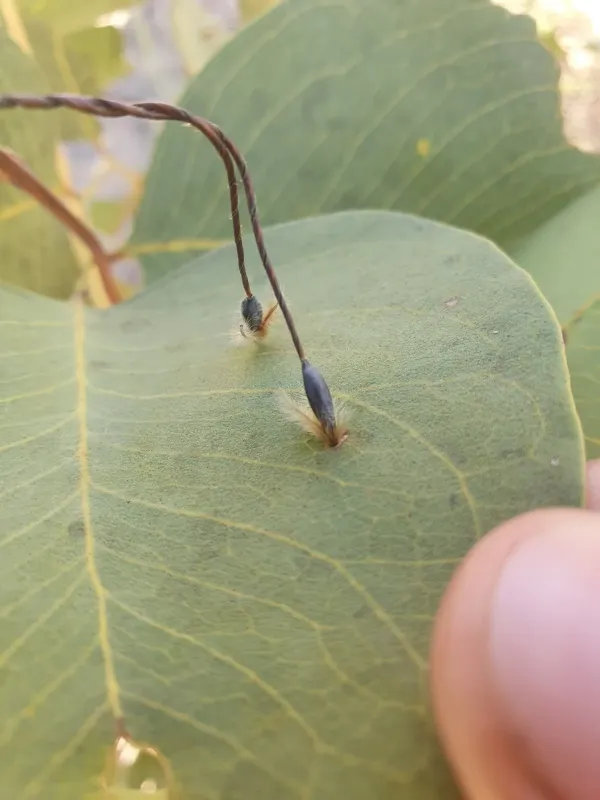
Description
Sowing dates
Sorghum intrans is a native grass of Australian tropical savannas, meaning its sowing cycle is strictly tied to the onset of the wet season. The optimal time for planting occurs once soil moisture stabilizes and temperatures reach the levels necessary for active germination.
For this crop, it is critical that soil temperatures reach at least 20-25 degrees Celsius. Sowing should be carried out in well-prepared, weed-free soil to ensure optimal seed-to-soil contact, which is essential for uniform emergence of the crop.
When planning sowing operations, it is vital to account for the plant's phenological stages, as Sorghum intrans shows a marked response to photoperiod. Untimely sowing can lead to delayed flowering and incomplete seed maturation as the daylight hours shorten.
The seeding rate is calculated based on the intended use of the crop, whether for biomass production or seed multiplication. Given the plant's root system architecture, precision seeders are recommended to reduce competition between seedlings within the row.
In its natural habitat, the plant exhibits a high initial growth rate, allowing it to rapidly occupy space and outcompete native grasses. This trait is effectively utilized when introducing the species into agricultural systems for temporary pasture establishment.
Growing requirements
Sorghum intrans is an annual herbaceous plant belonging to the Poaceae family. It is characterized by high xerophytic adaptation, making it well-suited for regions experiencing significant water scarcity and high ambient temperatures.
The crop has moderate soil requirements, preferring well-drained substrates. While the plant can adapt to nutrient-poor soils typical of Australian savannas, it achieves the best vegetative performance on loamy soils with a neutral or slightly acidic pH level.
Sorghum intrans is highly sensitive to waterlogging in the root zone, making areas with poor drainage or standing water unsuitable for its cultivation. High aeration is required to facilitate root respiration during the period of rapid leaf mass accumulation.
The plant shows high resilience to intense solar radiation. Its photosynthetic apparatus is adapted to function in hot tropical climates, allowing it to maintain productivity even under extreme temperatures that would be detrimental to many other conventional crops.
Successful industrial-scale cultivation requires minimal maintenance, primarily involving control of competing vegetation during the early growth stages. Agronomic practices should focus on moisture conservation and the prevention of erosion in arid cultivation zones.
Main diseases and pests
Like most sorghum species, this crop is susceptible to specific pathogens common in tropical grasses. Among fungal diseases, various types of rust and leaf spots are the most concerning, particularly under conditions of high humidity.
Pests affecting Sorghum intrans are primarily insects that damage reproductive organs and stems. Special attention is directed toward stem borers and aphids, which can significantly reduce seed yields and the overall nutritional value of the forage biomass.
To protect crops, crop rotation is recommended, as it disrupts the life cycles of specialized pests. Integrating crops with different biological requirements into the rotation plan helps naturally reduce the infection pressure within the field.
Pest monitoring should be conducted throughout the entire growing season, with particular focus on the tillering and stem elongation phases. Early detection of infection centers allows for localized management with minimal use of chemical pesticides.
An integrated pest management system should combine agronomic practices, such as choosing optimal sowing dates and resistant genotypes, with biological control methods. The use of chemical pesticides should be restricted to cases where economic thresholds are exceeded.