
Sorghum nervosum
Sorghum nervosum
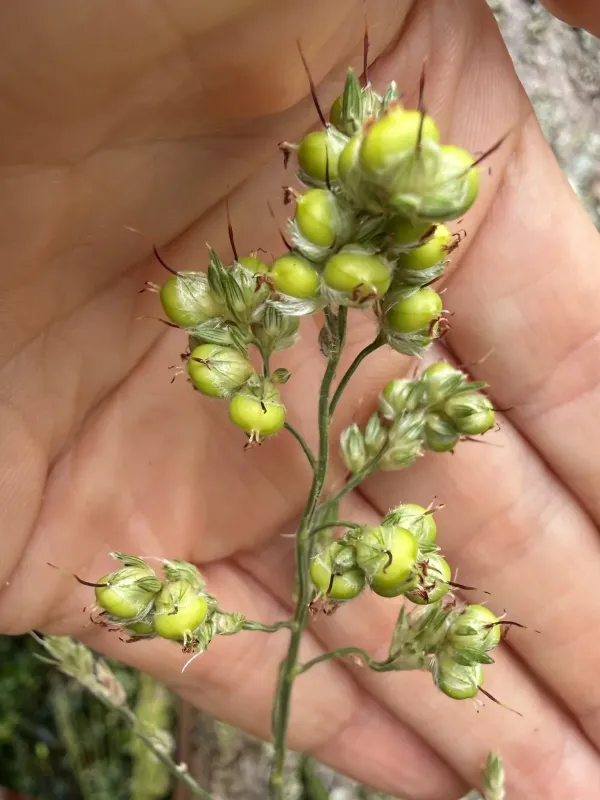
Description
Sowing dates
Sorghum nervosum is a heat-loving crop; therefore, planting should only occur when soil temperatures at a depth of 10 cm reach 12–15 degrees Celsius.
Optimal sowing windows usually fall between late May and early June to ensure that young seedlings are not damaged by late spring frost events.
Seeds are sown at a depth of 3 to 5 centimeters, depending on the soil texture and the amount of moisture available at the time of planting.
The use of precision planters is highly recommended to maintain uniform stand density, which is essential for maximizing yield potential per hectare.
Managing soil surface conditions is crucial; preventing crust formation after heavy rains ensures that seedlings can emerge effectively and vigorously.
Growing requirements
Belonging to the Poaceae family, Sorghum nervosum is well-known for its exceptional tolerance to hot, arid climates and water-stressed environments.
While the plant thrives in fertile, well-drained soils, it demonstrates remarkable adaptability to various soil types, including slightly saline or loamy soils.
High levels of solar radiation are required for this plant to perform efficient photosynthesis and accumulate biomass, sugar, and starch in its tissues.
Waterlogging must be avoided, as the root system is sensitive to low-oxygen environments caused by excessive moisture levels in the soil profile.
Water requirements peak during the tillering and jointing phases, though the crop remains drought-hardy throughout the entire growing season.
Yield
The yield of Sorghum nervosum is strictly dependent on effective agronomic management and the inherent fertility of the field soil profile.
Under intensive management systems, the plant produces significant amounts of high-quality biomass, making it an excellent candidate for animal feed.
Grain yields vary significantly based on climate, usually ranging from 3 to 6 tons per hectare under proper nutrient management and adequate moisture.
Plant density plays a key role; overly dense stands can hinder proper panicle development and lead to competition for light and nutrients between plants.
Strategic nitrogen applications at the beginning of the growth phase can significantly boost overall productivity and grain filling during the late season.
Main diseases and pests
Aphids are among the most common pests, as they damage foliage and serve as vectors for various viral diseases that stunt plant development.
Smut diseases are a major concern, as they infect the inflorescences, rendering the grain non-viable and reducing the total harvestable quality.
Root rot infections typically manifest in areas with poor drainage, causing overall plant weakening and increasing susceptibility to lodging during storms.
The stem borer is a destructive pest that tunnels through plant stalks, reducing structural integrity and facilitating secondary fungal infections.
- Implementation of robust crop rotation programs.
- Seed treatments with fungicides and insecticides.
- Regular scouting for pest populations during the growing season.
Harvesting
Grain harvest begins when the crop reaches full maturity and grain moisture drops to levels suitable for long-term storage without risk of spoilage.
If the crop is destined for forage, it is harvested at the heading stage to capture the highest nutritional value in the leaves and stems.
Due to the risk of grain shattering, harvesting should be performed promptly once the moisture levels are reached to minimize significant field losses.
Modern combines allow for direct harvesting when grain moisture is below 18 percent, which significantly streamlines the post-harvest workflow.
Post-harvest cleaning and proper drying processes are mandatory to prevent fungal development and preserve the quality of the harvested grain mass.