
Sorghum durra
Sorghum durra
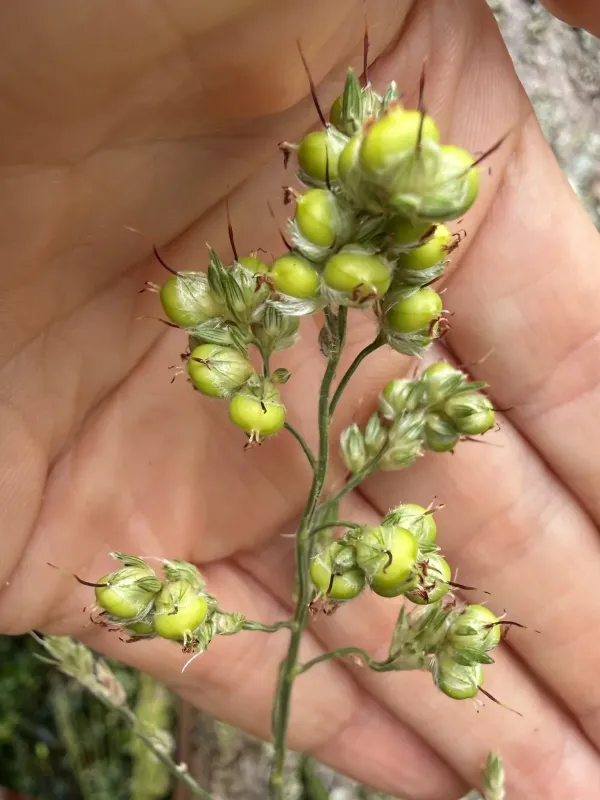
Description
Sowing dates
Sorghum durra is a warm-season crop, so planting should only begin once the soil temperature at seed depth consistently reaches at least 12–14°C.
Early sowing in cold soil leads to poor germination rates, uneven stand establishment, and an increased risk of seed decay due to soil-borne pathogens.
Seed depth is critical and should be adjusted based on soil moisture: typically 3–5 cm is sufficient for most agricultural soils to ensure quick emergence.
Using precision planting equipment helps maintain optimal spacing and density, which are vital for maximizing yield per hectare in commercial production.
The timing of sowing must avoid late spring frosts, as young seedlings are sensitive to cold and can be permanently damaged by near-freezing temperatures.
Growing requirements
As a member of the Poaceae family, Sorghum durra is renowned for its exceptional adaptation to arid climates and high temperatures during the growing season.
It thrives in a wide range of soil types, including those that are slightly saline or nutrient-poor, where other traditional cereal crops often fail to produce.
Adequate sunlight is the most significant environmental factor for this crop, as high solar radiation levels are required to fuel its rapid biomass accumulation.
Although highly drought-resistant, the plant benefits from supplemental irrigation during critical growth stages, specifically at flowering and grain filling.
Proper field preparation and a good crop rotation schedule with legumes help maintain soil health and prevent the buildup of specific soil pathogens.
Main diseases and pests
Kernel smut is a primary concern for Sorghum durra producers, as it can infect the panicles and drastically reduce the final marketable yield of the grain.
Bacterial blight and various fusarium species are common diseases that manifest during periods of high humidity and poor field ventilation.
Insect pests, including aphids and the sorghum midge, can cause severe economic losses by damaging foliage and developing reproductive structures.
Stem borers pose a constant threat by tunneling through stalks, which weakens the plant architecture and can cause pre-harvest lodging in fields.
Integrated pest management strategies, such as biological control and seed treatment, are recommended to minimize reliance on intensive chemical applications.
Harvesting
Harvesting Sorghum durra for grain is typically performed using combine harvesters when the moisture content of the kernels drops below 20 percent.
Field managers must monitor the panicles closely to ensure the grain reaches maturity without shattering, which can happen if harvest is delayed too long.
Post-harvest handling is critical; the harvested grain must be cleaned and dried to 14% moisture to prevent mold growth and maintain quality during storage.
When grown for silage, the crop is harvested earlier, typically at the dough stage, to ensure the optimal balance of moisture and high sugar content.
The use of forage harvesters allows for efficient cutting and chopping of the biomass, facilitating quick ensiling and preservation of the feed quality.