
Sorghum nitidum
Sorghum nitidum
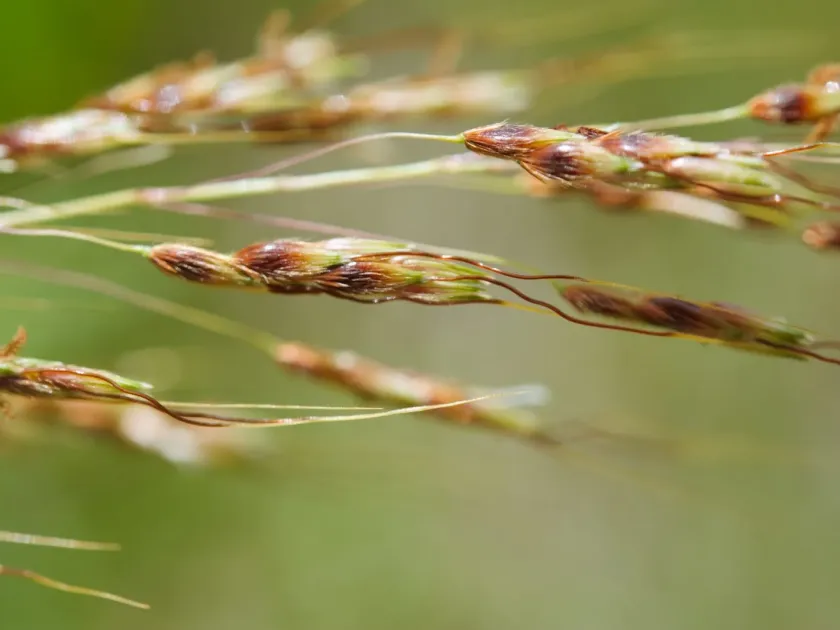
Description
Sowing dates
Sorghum nitidum is a perennial grass species that establishes a long-lasting stand, making its planting phase critical for long-term success. It is typically propagated through seeds sown in well-prepared seedbeds during the onset of the warm, wet season.
For optimal germination, soil temperatures should consistently remain above 18-20 degrees Celsius. In tropical and subtropical regions, the start of the monsoon season provides the perfect conditions for seed development and root establishment.
Seeds should be sown at a depth of 2-3 centimeters. Shallow sowing ensures that the emerging shoots reach the surface quickly before the seed reserves are exhausted, while adequate soil-to-seed contact is maintained.
Plant density should be adjusted based on the intended use, whether for rotational grazing or hay production. A denser stand early on helps to shade out competing weeds and ensures a more uniform canopy later in the season.
The use of high-vigor seed is recommended to ensure rapid emergence. Once established, the perennial nature of Sorghum nitidum allows it to regrow vigorously from its rhizomes, reducing the need for annual reseeding.
Growing requirements
Belonging to the Poaceae family, Sorghum nitidum is highly adaptable to a variety of soil types. It performs best in well-drained loamy soils but can tolerate moderate levels of soil acidity and lower nutrient availability compared to other grain crops.
The plant is native to parts of Asia and Oceania, where it thrives in savannas and open forest clearings. It is highly photophilous and requires significant exposure to sunlight to maintain high rates of photosynthesis and biomass accumulation.
While it shows decent drought tolerance, it grows most prolifically when moisture is readily available during the active vegetative stage. It is not cold-hardy, which confines its cultivation primarily to warmer climatic zones.
Soil aeration is vital for root health. In areas with heavy, compacted soil, basic cultivation practices such as light harrowing can significantly improve gas exchange and promote deeper root penetration.
Maintenance of soil fertility through periodic applications of nitrogen-based fertilizers can significantly boost leaf production. The plant responds well to balanced nutrition, especially after consecutive cuttings for forage.
Yield
The primary economic value of Sorghum nitidum lies in its role as a forage crop. Its ability to produce substantial quantities of green biomass makes it a popular choice for feeding livestock in its native and cultivated range.
The yield is highly dependent on cutting frequency and management. When harvested correctly, the plant exhibits rapid regrowth, allowing for multiple harvests within a single growing season under optimal management.
It is excellent for rotational grazing, as its nutritional profile is well-suited for ruminants. Proper grazing management, preventing overgrazing, ensures that the root system remains energized and capable of producing new shoots.
When used for hay production, it should be harvested at the vegetative stage before the stalks become too fibrous. This preserves the palatability and digestible nutrient content required for quality animal feed.
Strategic management of harvest height ensures the plant retains enough leaf area for photosynthesis, which directly impacts the recovery time and total yield of the subsequent cut.
Main diseases and pests
Sorghum nitidum is susceptible to various fungal pathogens that affect leaves, particularly during periods of high humidity and poor ventilation. Keeping the stand well-managed helps prevent the accumulation of moisture within the canopy.
Insect pests, such as aphids and stem borers, can impact plant health. Integrated pest management, focusing on early detection and biological control, is the most sustainable approach to protecting the crop from major infestations.
Root rots may develop in poorly drained or waterlogged soils. Ensuring good field topography and drainage systems are key to preventing these types of losses and maintaining the longevity of the grass stand.
While the mature plant is a strong competitor, weed management is crucial during the establishment phase. Keeping the area clean in the first few weeks ensures that the crop attains a dominant position in the field.
Biosecurity and the use of certified, disease-free seed are essential to avoid the introduction of non-native pathogens that could threaten the crop's vitality and overall yield potential in a commercial setting.