
Sorghum plumosum
Sorghum plumosum
Description
Growing requirements
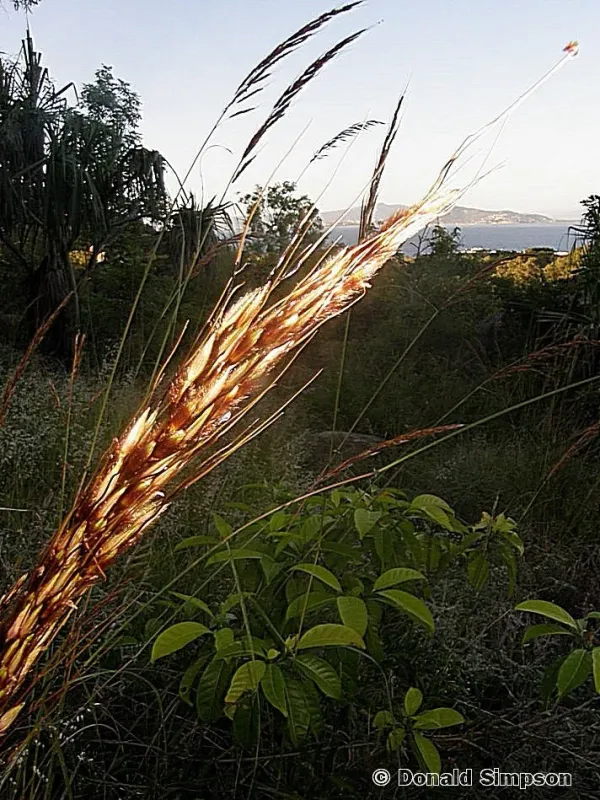
Sorghum plumosum, commonly known as plume sorghum or feather sorghum, is a perennial grass species belonging to the family Poaceae. It is native to tropical regions of Australia, where it has evolved to thrive in environments characterized by distinct wet and dry seasonal patterns.
This plant is highly heat-tolerant and thrives under intense solar radiation. It requires consistently warm temperatures to maximize biomass production, making it well-adapted to the high-temperature conditions found in its native tropical and subtropical geographical zones.
Regarding soil requirements, Sorghum plumosum is adaptable to various soil textures, including sandy and loam-based soils. Its success in these environments is largely due to its deep root system, which allows the plant to extract moisture from deeper soil layers during prolonged dry spells.
Botanically, the species is identified by its distinctive feathery panicles and robust, upright culms. These features facilitate efficient seed dispersal and ensure the structural integrity of the plant, even in harsh environmental conditions typical of its range.
In agriculture, the plant is valued for its potential as a forage resource for livestock grazing. Its ability to regrow after grazing and its resilience to drought make it a subject of interest for sustainable grassland management and improvement programs in arid regions.
Main diseases and pests
Like many Poaceae species, Sorghum plumosum faces pressure from various insect pests that specialize in feeding on grass leaves, stems, or inflorescences. Significant infestations can lead to substantial biomass losses and reduced nutritional quality for grazing animals.
Fungal diseases are a primary concern, especially during periods of high humidity and rainfall. Leaf spots, rusts, and root rot pathogens can weaken the plants and significantly decrease the overall productivity of the grass stand if environmental conditions remain favorable for fungal growth.
Weed competition represents a major challenge during the establishment phase, as the young plants require sufficient space and nutrients to develop their root architecture. Effective management practices are necessary to limit the dominance of competing vegetation.
Overgrazing is another critical threat that can deplete the plant's energy reserves stored in the roots, eventually leading to reduced stand density. Rotational grazing strategies are generally recommended to preserve the long-term health of the crop.
Integrated pest management is essential for maintaining healthy stands, focusing on both cultural practices and monitoring for early signs of disease or pest outbreaks to minimize the need for chemical interventions.