
Sorghum leiocladum
Sorghum leiocladum
Description
Growing requirements
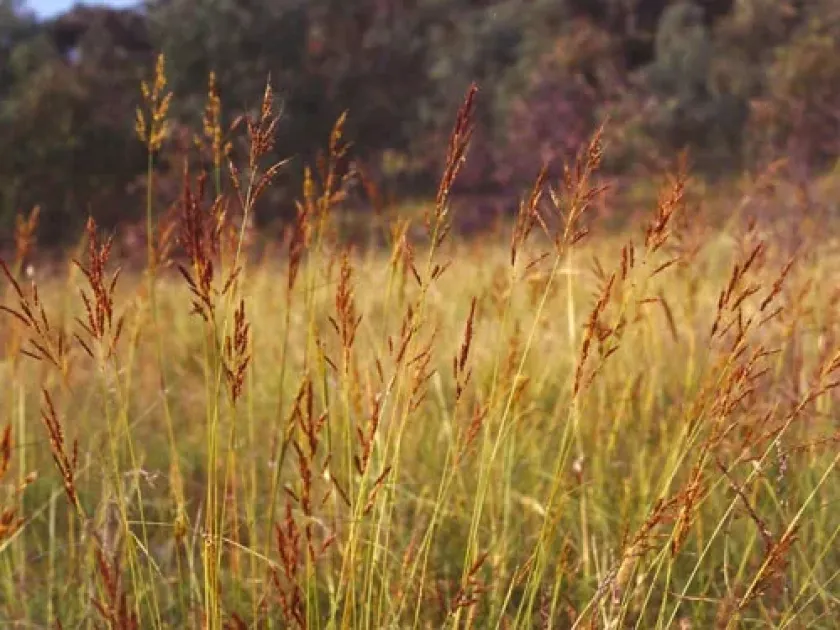
Sorghum leiocladum is a perennial grass species belonging to the Poaceae family. It is recognized for its structural characteristics that allow it to thrive in the harsh environments of its native habitat, primarily in eastern Australia.
The plant grows as a hardy perennial, forming tufts of vegetation. Its biological structure includes slender stems and linear leaves, which are adapted for efficient water usage in savanna landscapes.
Regarding soil requirements, this species is relatively versatile but performs optimally in well-drained loamy soils. Good aeration is essential to prevent root asphyxiation during periods of heavy rainfall, which could otherwise stunt plant development.
Climate preferences for Sorghum leiocladum center on warm temperatures and high solar exposure. It is characterized as a drought-tolerant plant, capable of surviving through dry spells that would be detrimental to less resilient grass varieties.
Cultivation should ideally be planned in regions that mirror its native subtropical or temperate climate, avoiding areas prone to prolonged, severe frost that can kill the crowns of the perennial plants.
Main diseases and pests
Disease pressure in this species often involves foliar pathogens, such as rusts and leaf spots, which thrive during humid periods. Managing these issues requires adequate spatial arrangement to ensure proper air circulation through the canopy.
Insect pests include sucking insects such as aphids, which can colonize the leaves and stems, leading to weakened plants and potential transmission of viral diseases. Regular scouting is recommended during the peak growing season.
Larval stages of certain lepidopterans may occasionally feed on the plant tissues, causing localized damage. Effective control typically involves monitoring life cycles and applying targeted treatments only when economic thresholds are met.
Root zone pests, including various beetle larvae, can be a concern if the soil is heavily infested. Crop rotation and maintaining soil health are fundamental strategies for reducing the prevalence of these soil-borne threats.
Proactive management of weed populations around the crop is essential to prevent the spread of diseases and to minimize competition for water and sunlight, thereby maintaining a vigorous and resistant stand of Sorghum leiocladum.