
Sorghum roxburghii
Sorghum roxburghii
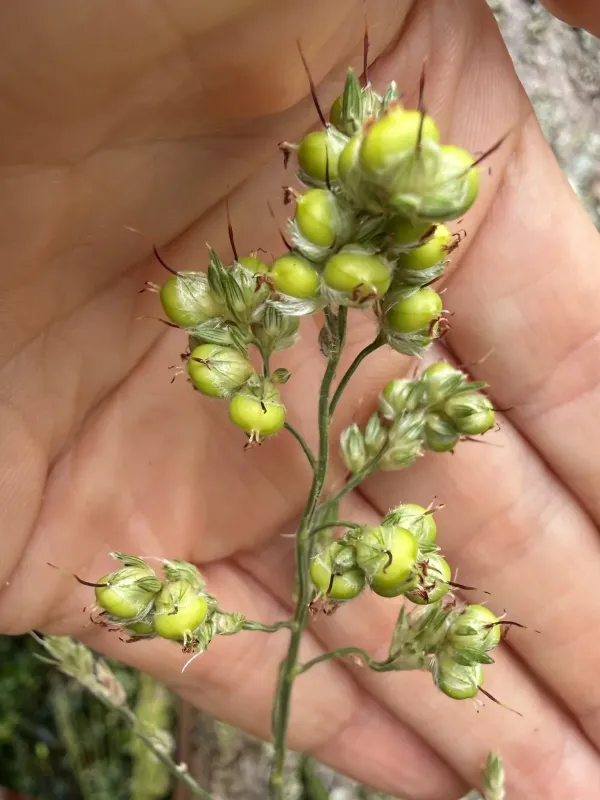
Description
Sowing dates
Sorghum roxburghii is an annual cereal belonging to the Poaceae family, widely recognized for its resilience in warm, arid environments. As a cultivated variety of sorghum, it has been traditionally used in tropical agriculture where rapid growth during the rainy season is essential.
The sowing window for this crop is primarily determined by soil temperature, which must reach at least 15–18°C. Planting during this temperature range ensures rapid germination and helps the crop establish a strong root system before the onset of peak seasonal heat.
Proper seed placement at a depth of 3 to 5 cm is crucial for consistent crop emergence. Modern agricultural practices often involve using precision seed drills to ensure uniform plant spacing, which optimizes light penetration and nutrient access for each individual plant.
Seed treatment with fungicides is highly recommended prior to sowing to protect the young seedlings from common soil-borne pathogens. This prophylactic measure significantly improves the survival rate of the crop, especially in fields with a history of intensive cultivation.
Once the crop reaches the seedling stage, inter-row cultivation is performed to suppress weed growth and improve soil aeration. This process helps conserve soil moisture and encourages deeper root penetration, which is vital for the crop's long-term endurance.
Growing requirements
Sorghum roxburghii is famous for its exceptional drought tolerance and heat resistance. It is biologically adapted to thrive in harsh climates where other cereals might fail, utilizing its physiological mechanisms to minimize water loss during intense transpiration periods.
While the crop is adaptable to various soil types, it performs best in well-drained, fertile loams with a neutral pH level. It is sensitive to waterlogged conditions, making proper field drainage an essential requirement for high-yield cultivation on heavier soil types.
Nutrient management is key to maximizing productivity. Nitrogen, phosphorus, and potassium are essential for healthy stem development and panicle formation. Fertilizer applications should be synchronized with the plant's growth stages to ensure nutrients are available when demand is highest.
Light availability is a major requirement, as the crop requires full sun exposure to maintain its vigorous growth rate. Shading, even from adjacent high-growing crops, can lead to spindly stems and reduced grain quality, eventually decreasing the total yield.
Although the crop is highly efficient in water usage, maintaining optimal soil moisture during critical developmental stages like flowering and grain filling is necessary to reach the variety's genetic potential for yield and quality.
Yield
The yield potential of Sorghum roxburghii is largely dependent on the quality of agronomic management and environmental conditions. Under optimal irrigation and soil nutrient levels, the crop can produce high yields of grain, contributing significantly to food security in arid regions.
Grain filling is the most critical phase for yield determination, where environmental stability directly impacts panicle size and grain weight. Healthy plants with robust panicles can produce a large quantity of high-quality grain if protected from pests and diseases.
Beyond grain production, the crop is valued for its substantial biomass output. Farmers often utilize the entire plant for forage purposes, as it provides high levels of carbohydrates and fiber, making it a reliable feed source for livestock in tropical farming systems.
Yield stability is a major benefit of using modern high-yielding hybrids. These varieties are developed to be more resistant to lodging and uniform in their maturation, which significantly reduces harvest losses and simplifies post-harvest handling for the grower.
To sustain yield productivity over several seasons, producers should return organic matter to the soil by incorporating crop residues. This practice maintains soil fertility and structure, ensuring that the field remains productive for future cereal rotations.
Main diseases and pests
The crop faces several threats from various diseases, with smut fungi being the most devastating. These pathogens specifically target the inflorescence, replacing grain with spore masses and leading to substantial loss in marketable yield if not managed properly.
Pest management is equally important, as aphids and stem borers can severely stunt plant growth and reduce overall vigor. An integrated pest management (IPM) approach is recommended to monitor pest populations and apply targeted treatments when thresholds are exceeded.
- Smut (affects grain panicles);
- Aphids (suck sap from leaves, causing damage);
- Stem borer (burrows into the stem, weakening the plant);
- Root rot (favored by waterlogged soil conditions);
- Bird depredation (a major threat during the ripening phase).
Disease prevention starts with the implementation of a proper crop rotation system. Rotating Sorghum roxburghii with legumes or other non-host crops breaks the life cycle of specialized pests and soil-borne diseases, creating a healthier environment for the crop.
Regular field scouting is essential to identify early symptoms of disease or pest infestations. By catching these issues early, growers can intervene with corrective measures before the entire crop is compromised, ensuring a more successful and profitable harvest.
Harvesting
Harvesting should occur when the grain reaches physiological maturity, typically characterized by a moisture content of around 15–16%. The panicles should be firm and consistent in color, indicating that the grain has completed the filling process and is ready for mechanical harvesting.
Using a combine harvester is the standard practice for large-scale operations. Correct adjustment of the combine’s threshing drum speed is crucial to prevent grain cracking and to minimize unnecessary losses at the cutter bar, which is vital for maintaining grain quality.
Post-harvest processing involves cleaning the grain and drying it to safe moisture levels if storage is required. Proper drying is mandatory to prevent mold growth and pest outbreaks, which are common risks in stored grains kept at higher moisture levels.
When used for silage or fodder, the crop is harvested earlier, usually at the dough stage of grain development. This timing ensures the best balance of sugar and protein content, resulting in a high-quality, palatable feed for livestock throughout the winter months.
Successful harvest management ensures the preservation of nutritional value and minimizes economic loss. By paying attention to moisture levels and post-harvest cleaning, growers can maximize the profitability of their Sorghum roxburghii crop and ensure high market acceptance.