
Arundinaceous sorghum
Sorghum arundinaceum
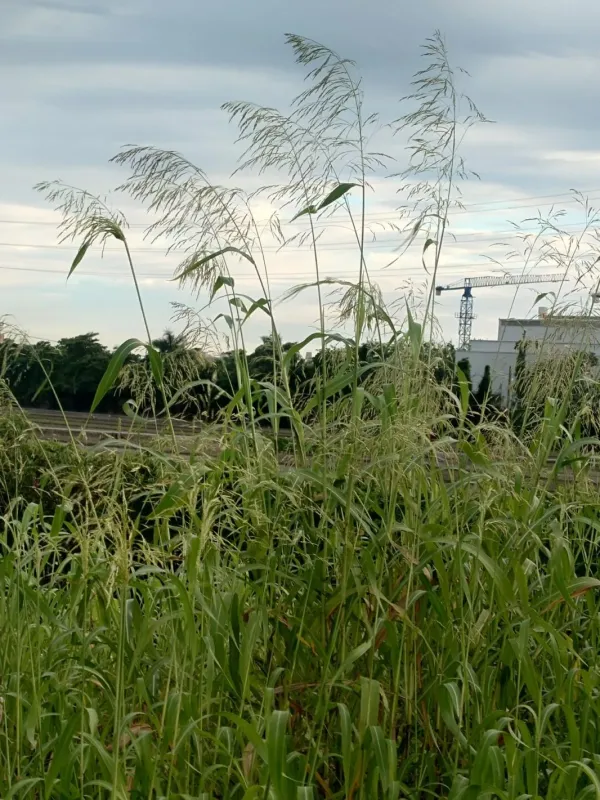
Description
Sowing dates
Arundinaceous sorghum is a robust member of the Poaceae family, widely recognized for its adaptability to various tropical and subtropical environments.
Sowing should be performed when soil temperatures reach at least 15°C, ensuring rapid germination and preventing seed rot in cold, damp soil conditions.
Seeds are typically placed at a depth of 3 to 5 cm, depending on soil moisture levels, to guarantee the best emergence rates for the field.
Uniform spacing is critical, as it minimizes competition between individual plants and maximizes the efficiency of nutrient and water uptake during development.
Early-season weed control is vital because this crop exhibits slow initial growth and requires a clean seedbed to reach its full production potential.
Growing requirements
This crop is highly prized for its exceptional drought tolerance, achieved through a sophisticated root system and efficient metabolic water management.
It thrives in regions with intense solar radiation and high temperatures, making it a reliable choice for areas where traditional cereals may struggle.
While tolerant of various soil types, deep and well-drained soils are preferred to facilitate root penetration and prevent the risk of waterlogging.
The plant demonstrates a strong response to nitrogen supplementation, which boosts vegetative growth and enhances the protein content of the fodder.
Soil pH levels between 6.0 and 7.5 are ideal for maintaining healthy growth cycles and ensuring the availability of essential micronutrients.
Main diseases and pests
Pathogenic fungi, such as Fusarium and various smut species, represent the primary disease threats to Sorghum arundinaceum across its cultivation range.
Insect pests including aphids and stem borers can cause significant damage to the plant's vascular tissues and weaken the structural integrity of the stalks.
Integrated pest management strategies should include the use of resistant hybrids, crop rotation, and strategic insecticide application to mitigate economic losses.
Soil-borne pests like wireworms may require prophylactic seed treatments to protect the integrity of the stand during the critical emergence phase.
Environmental stress, such as prolonged humidity, can exacerbate the impact of fungal diseases, making proper field management a key prophylactic tool.
Harvesting
Harvesting for silage production is ideally conducted at the boot stage to optimize the nutritional balance and sugar content within the biomass.
Mechanical harvesting equipment should be calibrated to achieve optimal chopping length, which improves the compaction process in storage facilities.
Leaving a sufficient stubble height after harvesting encourages regrowth, allowing for multiple cuts in a single season under favorable conditions.
The timing of the harvest is critical to balance the volume of green matter with the accumulation of energy and proteins within the plant tissues.
Effective post-harvest management ensures that the nutritional profile is preserved throughout the storage period, providing high-quality feed for livestock.