
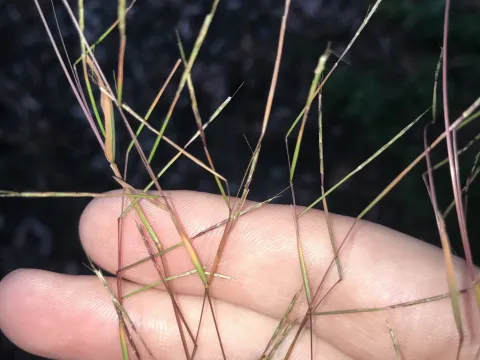
Schizachyrium brevifolium
Schizachyrium brevifolium
Schizachyrium brevifolium is a perennial grass species belonging to the Poaceae family. Native to tropical and subtropical regions across Asia and Africa, it is known for its ability to thrive in harsh, nutrient-poor environments where other species struggle to survive.
What the section contains
Schizachyrium brevifolium
The plant requires well-drained, sandy or gravelly soils to prevent moisture accumulation around the roots. It exhibits exceptional tolerance to drought, making it a valuable candidate for regions facing water scarcity.
This grass species prefers full sun exposure to maintain its structural integrity and vitality. It is sensitive to frost, and in temperate zones, it is often managed as a seasonal or greenhouse crop due to its tropical origins.
Botanically, it is recognized by its short, compact leaf blades and dense tufts. These features allow the plant to minimize transpiration and effectively compete for space in natural grasslands.
Effective management involves minimal fertilization, as Schizachyrium brevifolium is highly adapted to low-fertility conditions and can effectively anchor soil to prevent erosion on exposed terrain.
Fungal diseases, particularly rusts, represent the primary threat to the health of the stand, especially during periods of high humidity or poor air circulation within the canopy.
Pests such as aphids and subterranean larvae are known to affect plant growth. Early detection is crucial, as root-feeding insects can cause significant damage before symptoms become visible on the foliage.
Cultivation strategies should emphasize adequate spacing to promote airflow, which is a key factor in reducing the incidence of foliar diseases during the humid season.
Integrated pest management, including the use of resistant strains and crop rotation, is recommended to ensure the longevity of the plant stand and overall agricultural productivity.
Regular monitoring of field edges is necessary to identify early signs of fungal infection or pest outbreaks, allowing for timely, targeted intervention.