
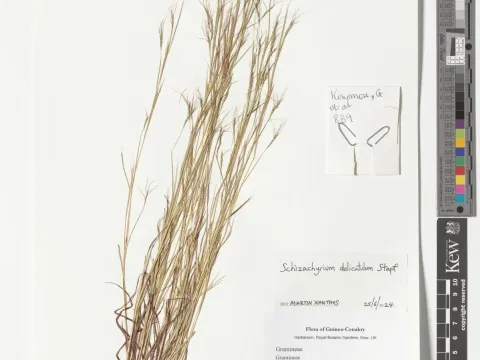
Schizachyrium delicatum
Schizachyrium delicatum
Schizachyrium delicatum is a hardy perennial grass belonging to the Poaceae family. Renowned for its delicate appearance and distinctive foliage, this species has become a staple in modern ornamental landscape design.
What the section contains
Schizachyrium delicatum
Originating from regions with specific climatic adaptations, this plant thrives in full sun exposure. Adequate light is essential for the plant to maintain its structural integrity and avoid the weakening of its stems, which often occurs in shaded conditions.
Soil requirements focus on excellent drainage capacity. The plant is best suited to sandy or loamy soils with a neutral pH level. Stagnant water is the primary factor limiting the success of this crop, as it causes rapid root rot.
Agricultural management should prioritize minimal nitrogen input. Excessive fertilization promotes fast, weak growth that ruins the architectural shape of the plant. A balanced, low-fertility approach ensures the plant remains compact and sturdy.
The plant is highly valued for its drought tolerance once established, making it an excellent candidate for low-maintenance garden projects. Its ability to survive varied moisture conditions makes it versatile in diverse soil types.
Root rot is the most significant disease threat to Schizachyrium delicatum. It is primarily caused by poor soil drainage and irrigation mismanagement during the rainy season or in heavy clay soils.
Pest pressures include aphids and spider mites, particularly during periods of extreme heat. These pests feed on the sap, causing leaf discoloration and potentially reducing the overall vigor of the perennial grass.
Rust diseases can occur if the plant is grown in areas with high humidity and poor airflow. Planting spacing should be optimized to allow wind to penetrate the foliage, reducing the risk of fungal proliferation.
Sanitation is a vital aspect of pest and disease control. Removing plant debris from the base of the clump during early spring prevents overwintering of pathogens that could infest new growth.
Implementing a preventive program, including the use of systemic fungicides if necessary, is recommended for commercial ornamental production to ensure high quality and aesthetic consistency.
Harvesting of the vegetative mass is conducted annually, typically in late winter or early spring. This practice is essential for rejuvenating the plant and maintaining its ornamental appeal throughout the growing season.
Cutting the stems involves trimming the clump down to 5–10 centimeters above the crown. This height ensures that the growing points remain protected while allowing the new foliage to emerge cleanly and uniformly.
When intended for use as dried floral arrangements, stems should be harvested at peak seed maturity. Drying in a dark, well-ventilated space helps preserve the color and texture of the inflorescences.
The byproduct of the harvest, consisting of dried grass, can be effectively repurposed as organic mulch or compost material. This adds value to the agricultural cycle of the plant within the garden or nursery.
Late seasonal cutting also helps in managing the life cycle of the plant, preventing excessive self-seeding and ensuring that the clump stays focused on vigorous vegetative growth in the following cycle.