
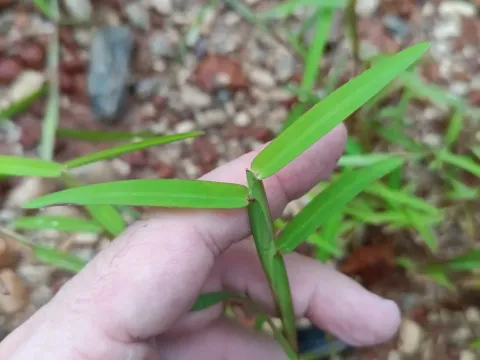
Schizachyrium maclaudii
Schizachyrium maclaudii
Schizachyrium maclaudii is a perennial grass species belonging to the Poaceae family. Native to the tropical regions of Africa, this plant plays a significant role in savanna ecosystems, providing essential cover and biomass in various habitats.
What the section contains
Schizachyrium maclaudii
The plant is characterized by a sturdy, bunch-forming growth habit, which allows it to thrive in nutrient-poor soils where other competitive forage crops might struggle. Its biological structure is adapted to seasonal precipitation patterns.
Botanically, it features slender, linear leaves and distinct inflorescence structures typical of the tribe Andropogoneae. The root system is deep and expansive, contributing to soil stability and moisture retention during dry cycles.
In agricultural practice, this species is utilized primarily as a hardy pasture grass. Its ability to withstand extensive grazing makes it a valuable resource for livestock farmers in tropical belts looking to improve land productivity.
Sowing should be performed at the onset of the rainy season to ensure optimal germination and establishment. Seeds should be shallowly covered to maintain soil contact without hindering the emergence of fragile seedlings.
Schizachyrium maclaudii requires well-drained soil to thrive. It is notably tolerant of low-fertility substrates, including sandy or stony soils, making it an ideal candidate for reclaiming degraded or marginal agricultural lands.
Climatic conditions must be distinctly tropical, characterized by warm temperatures throughout the year. It does not tolerate frost and prefers regions where the temperature consistently stays above 20 degrees Celsius.
Sunlight exposure is a critical requirement for biomass production. As a heliophytic plant, it requires full sun for optimal photosynthesis and the accumulation of nutrients within the forage tissue.
Soil pH ranging from slightly acidic to neutral is ideal. While the plant can withstand short periods of moderate dryness, it requires reliable rainfall during the growth phase to produce high-quality forage.
Agricultural management should focus on maintaining a balanced stand density. Minimal soil disturbance is recommended to preserve the natural soil structure and encourage deep rooting, which is essential for drought resistance.
Fungal diseases, such as leaf rusts, are the primary pathogens affecting this grass, especially during periods of excessive humidity. These infections can decrease the overall nutritional value of the forage.
Pests, particularly locusts and other grasshoppers, pose a significant threat to the vegetative cover. Regular field scouting is necessary to prevent large-scale defoliation during the dry season.
Root rot represents a physiological threat linked to poor soil drainage. Planting in locations prone to waterlogging must be avoided to ensure the longevity of the perennial stand.
Weed competition is most detrimental during the seedling stage. Implementing weed management strategies early in the season is vital for establishing a productive and lasting grass pasture.
Strategic grazing rotation is highly recommended to manage potential threats. By allowing periods of rest, the plant can regenerate its vigor and naturally resist pressure from pathogens and grazing intensity.