
Schimper's lovegrass
Eragrostis schimperi
Description
Growing requirements
Schimper's lovegrass (Eragrostis schimperi) is a perennial grass species belonging to the Poaceae family. Originally native to the African highlands, specifically Ethiopia, this plant has evolved to thrive in harsh, semi-arid environments where other crops typically fail.
The plant demonstrates remarkable tolerance to adverse soil conditions. It is frequently found on sandy, rocky, or nutrient-poor soils, making it an excellent candidate for the reclamation of degraded lands or for establishing pastures in regions with low soil fertility.
Climatic requirements are centered on warmth and high solar radiation. It is highly resistant to drought and can withstand prolonged high temperatures, adjusting its metabolic processes to maintain survival through dry periods.
The root architecture of Eragrostis schimperi is deep and extensive, allowing it to tap into moisture reserves deep within the soil profile. This adaptation is crucial for its persistence as a perennial forage source.
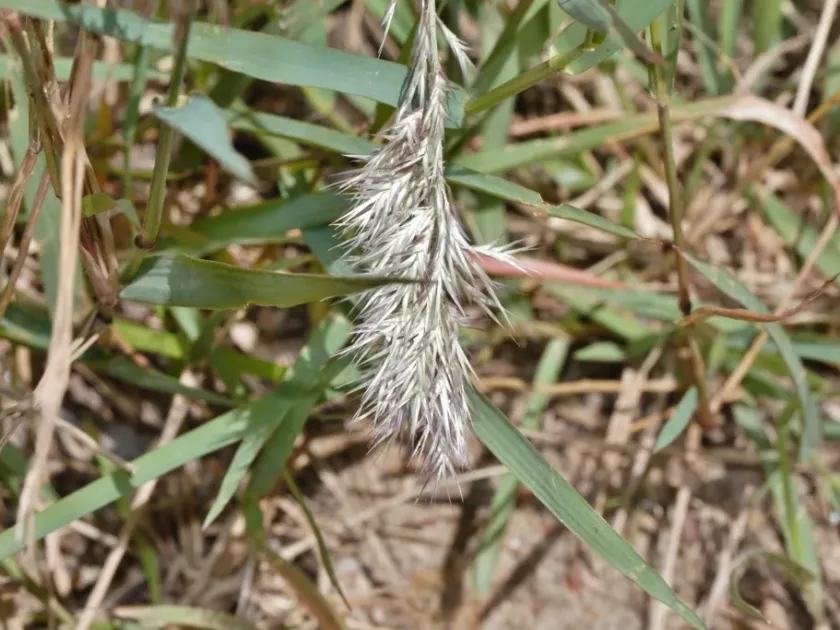
Botanically, it forms dense tufts, which help stabilize the topsoil and reduce the risk of wind and water erosion. Its leaves are structurally adapted to minimize transpiration, featuring a tough texture that is typical for xerophytic grasses.
Yield
The primary agricultural use of Schimper's lovegrass is as a forage crop for livestock grazing and hay production. It is highly valued in its native range for providing sustainable green cover for sheep and cattle, especially during the dry season.
Productivity levels are generally high in terms of biomass production per hectare when the plant is established on suitable sites. While it can survive neglect, supplemental fertilization can significantly increase the total harvest volume.
For optimal forage quality, it is recommended to harvest the crop before full seed maturity. Timely cutting ensures the preservation of proteins and essential minerals within the foliage, which are crucial for animal nutrition.
The regrowth potential of the species is excellent. After intensive grazing or mowing, the plant can regenerate rapidly if soil moisture levels remain even slightly adequate for its physiological processes.
Agricultural managers appreciate this grass for its durability. Once a pasture is successfully established, the stand can persist for several years, providing a reliable and cost-effective source of animal feed without requiring frequent replanting.