
Schizachyrium exile
Schizachyrium exile
Description
Growing requirements
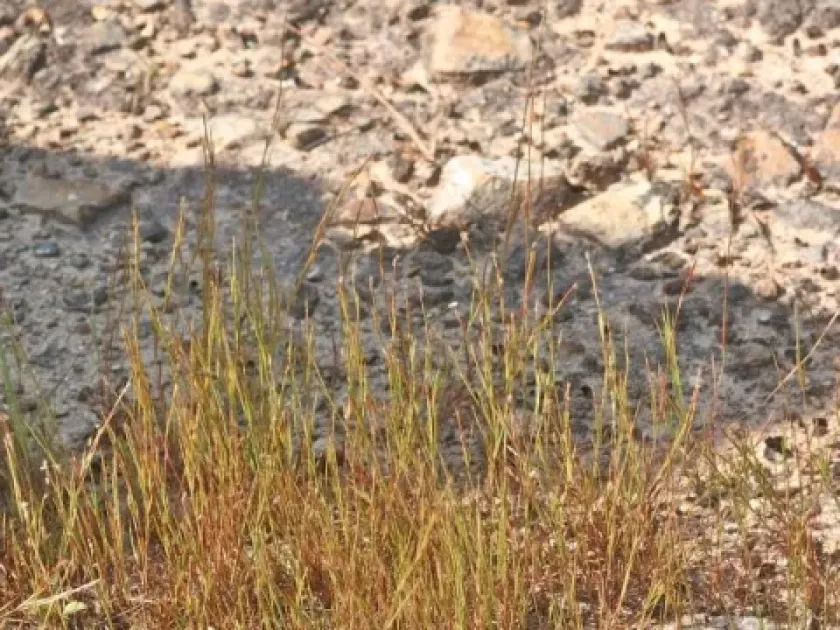
Schizachyrium exile is a perennial grass species belonging to the Poaceae family. Originating from the tropical and subtropical regions of Africa, this plant is well-adapted to the harsh conditions of savannahs and arid environments, making it a valuable subject for agricultural study.
The plant exhibits remarkable ecological plasticity, allowing it to thrive on soil types that are generally considered marginal. It grows well in sandy, rocky, or nutrient-poor soils where conventional agricultural crops would struggle to survive.
Light availability is a primary factor for the successful cultivation of Schizachyrium exile. As a heliophilous species, it requires direct sunlight for the majority of the day and does not tolerate competition from taller vegetation that might cause shading.
The species is highly drought-tolerant, utilizing physiological adaptations to maintain cellular function during extended dry seasons. This resilience makes it an excellent candidate for regions experiencing unpredictable rainfall patterns and high evapotranspiration rates.
Agronomic management is relatively straightforward. The species does not require excessive chemical input, but it does benefit from moderate nitrogen fertilization during the early growth phase to optimize biomass production for forage needs.
Yield
The primary use of Schizachyrium exile is in the context of forage production for ruminant livestock. It provides a reliable source of green mass, especially in areas where more demanding forage grasses cannot be cultivated effectively.
Yield capacity is significantly influenced by seasonal rainfall and grazing management. When managed appropriately, the grass provides a consistent supply of nutrients for livestock during the growing season, contributing to the overall productivity of pastoral systems.
Nutritional value peaks during the vegetative stage before the onset of flowering. As the plant matures and begins to produce seed heads, the lignification of the stems increases, which reduces the digestibility of the forage for livestock.
Apart from direct grazing, Schizachyrium exile can be processed into hay if harvested at the correct physiological stage. Proper curing is essential to maintain the quality of the forage and prevent nutrient losses due to moisture or mold.
Beyond its value as animal feed, the plant serves as a vital tool for soil conservation. Its extensive root system helps to anchor the soil surface, effectively preventing erosion in areas prone to wind or water degradation.
Main diseases and pests
Schizachyrium exile is recognized for its general robustness and resistance to many common cereal diseases. This natural resilience reduces the need for frequent pesticide applications, supporting more sustainable agricultural practices.
However, fungal diseases like rusts or leaf spots may occur in environments with poor air circulation or persistent high humidity. Maintaining proper field spacing and ensuring good water drainage are effective preventive measures against these issues.
Insect pests, such as locusts or grasshoppers, may occasionally cause damage to the foliage. However, in balanced agro-ecosystems, such outbreaks are typically managed by natural predators, keeping damage levels within tolerable limits.
Weed competition represents the most significant threat during the establishment phase. Since seedling growth is relatively slow, it is crucial to manage weeds early to prevent them from outcompeting the grass for light, water, and nutrients.
Due to its specialized chemistry and tough root structure, the plant is relatively unbothered by typical soil-borne pests. This makes Schizachyrium exile a very low-maintenance crop for farmers operating in challenging or semi-arid climates.