
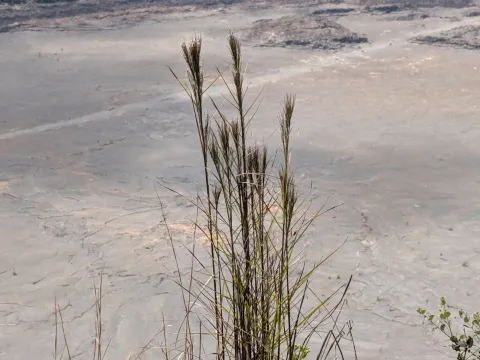
Schizachyrium paniculatum
Schizachyrium paniculatum
Schizachyrium paniculatum is a perennial grass species belonging to the Poaceae family. Sowing is typically performed during the spring months once the soil temperature is consistently above the minimum required for germination.
What the section contains
Schizachyrium paniculatum
Successful establishment depends on a fine, weed-free seedbed. Farmers are advised to perform deep tillage followed by light harrowing to ensure the soil structure supports optimal seed-to-soil contact.
The seeding depth should be maintained between 1 and 2 centimeters. Shallow sowing prevents the exhaustion of the seedling's energy reserves before it reaches the surface, ensuring vigorous emergence.
Row spacing is usually adjusted according to the intended use of the crop, with 20 to 30 centimeters being common. This allows for mechanical weeding if necessary and prevents overcrowding within the crop rows.
Post-seeding compaction of the soil is highly recommended. This process stabilizes the soil around the seeds, promoting moisture absorption and facilitating a more uniform germination across the field.
This grass thrives in well-drained soils and shows remarkable adaptability to various substrates, including those with lower fertility levels. However, it requires good aeration to maintain its health and biomass production.
The species is known for its high drought tolerance once established. Its deep root system allows it to extract moisture from lower soil horizons, making it a reliable option for regions with limited rainfall.
Sunlight is the primary requirement for Schizachyrium paniculatum. It is a heliophytic plant that requires full sun exposure to maintain its metabolic processes and structural integrity.
Regarding mineral nutrition, the crop responds positively to nitrogen fertilization during the peak growth phase. This stimulation increases the leaf area and enhances the quality of the harvested biomass.
Temperature range tolerance is relatively wide, and the plant remains dormant during winter. The dormant rootstock is resistant to freezing, allowing for rapid regrowth when spring temperatures rise.
Like many Poaceae members, this crop is susceptible to rusts and foliar pathogens that thrive in humid environments. These diseases can impair the photosynthetic capacity of the plant.
Insects such as grasshoppers and various cereal-specific pests can cause damage by feeding on the leaves. Monitoring pest populations is essential to prevent significant yield losses throughout the season.
Integrated Pest Management (IPM) practices should be employed to control these threats. This includes promoting beneficial insects and using mechanical methods to limit the spread of pests in the field.
Sanitation of the equipment and the field borders helps in preventing the introduction of pathogens. Cleaning machinery after moving from infested areas is a standard biosecurity measure.
If chemical interventions are necessary, they must be applied based on economic injury thresholds to avoid unnecessary environmental impact and preserve the sustainability of the forage system.